Best beaches for families in Phuket — where to swim safely with kids
Phuket: Coral Island snorkeling & water activities trip
Which Phuket beaches are best for families with children?
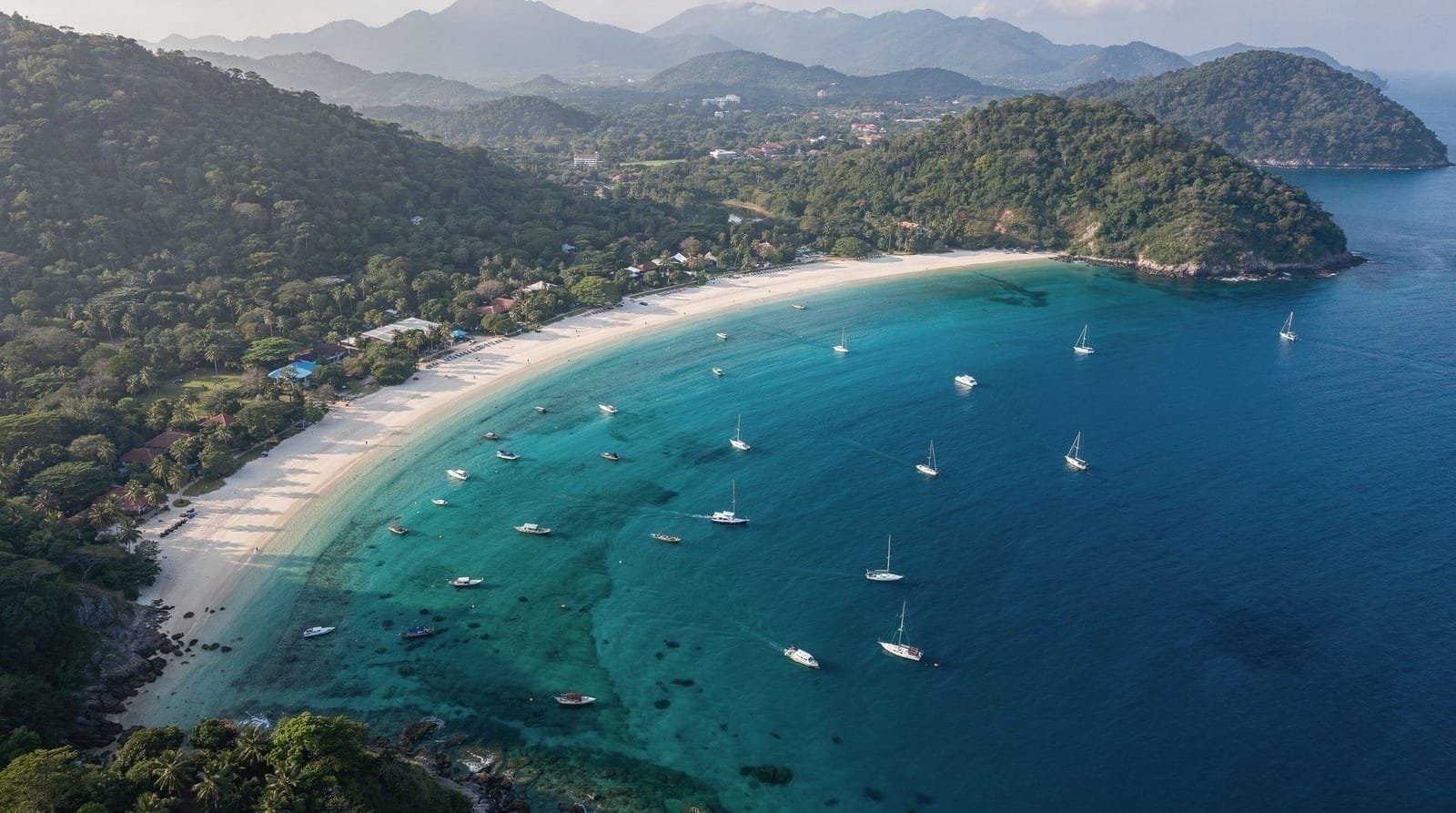
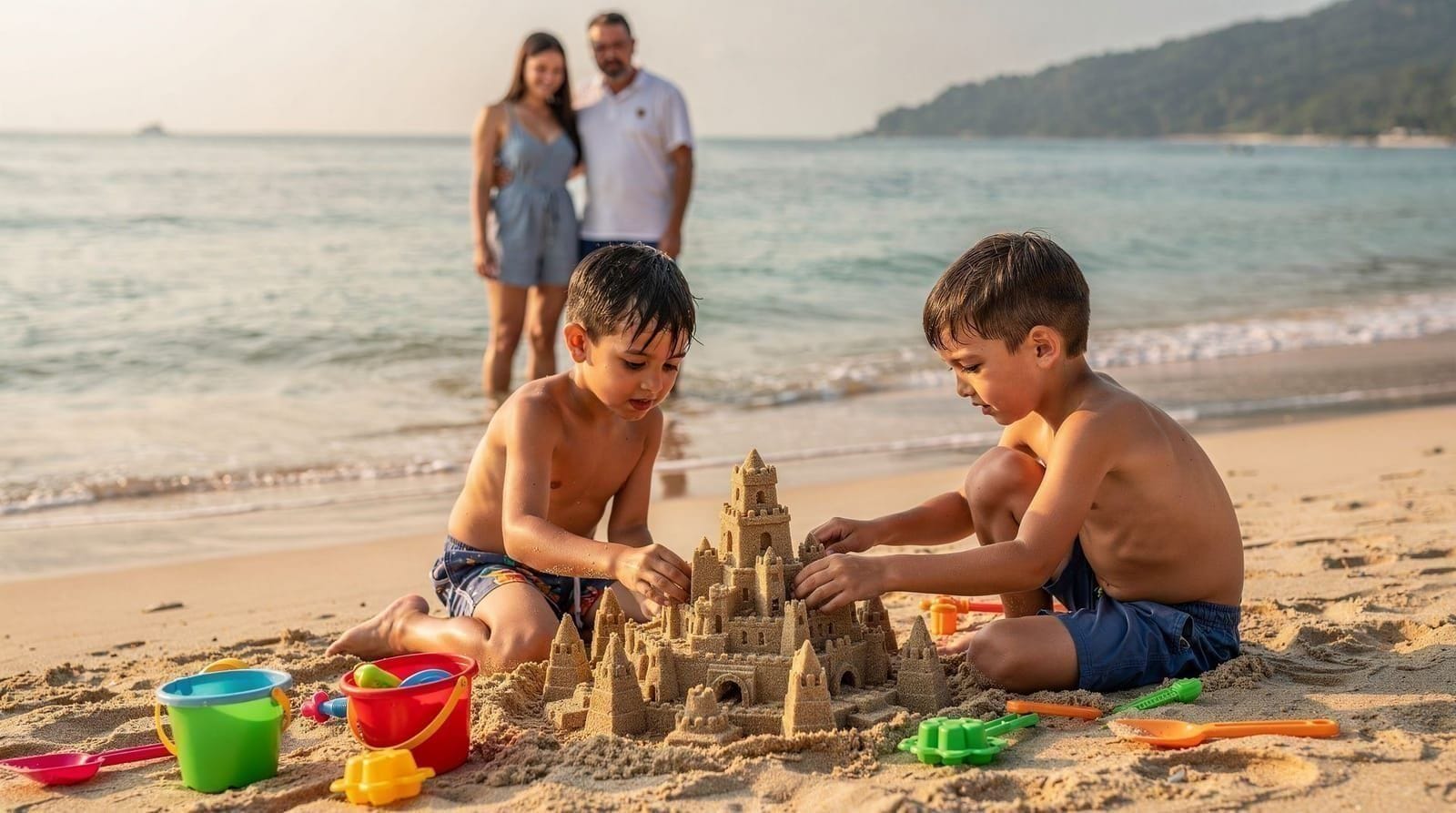
Kata Beach and Kamala Beach are the top choices — both have gentle waves, lifeguards in high season, walkable amenities, and family-friendly tour operators nearby. Bang Tao (Laguna complex) suits families wanting an all-in resort. Avoid Patong's main beach with young children due to jetski traffic and beach hawker pressure.
Choosing the right beach in Phuket makes a significant difference when travelling with children. The gap between Patong (noisy, jetski-heavy, beach hawker saturation) and Kata Noi (calm water, quiet, excellent swimming) is enormous. This guide ranks the best family options honestly.
| Top pick | Kata Beach and Kamala Beach |
| Avoid with young kids | Patong main beach |
| Best season | November–April, calmest seas |
| Lifeguard hours | approx. 8am–5pm in high season, main beaches only |
| Nearest paediatric hospitals | Bangkok Hospital Phuket, Mission Hospital — both in Phuket Town |
What makes a beach family-friendly
For families with young children, the key factors are:
- Calm, shallow entry water — sandy bottom, no strong shore break
- Lifeguard coverage (monitored beaches have guards from approximately 8 am to 5 pm in high season)
- Minimal jetski traffic — jetskis near swimmers are a significant safety risk on some beaches
- Proximity to toilets and shade — essential with young children
- Food options within walking distance
Kata Beach — the top choice for most families
Kata Beach consistently ranks first for families. The main beach has:
- Gentle waves in high season (November–April), suitable for young children
- Lifeguard coverage on the main beach section
- Sandy entry with no sharp rocks
- No jetski operations on the main beach (jet skis at Kata are limited to the far northern section)
- A walkable village 200 m from the beach with supermarkets, pharmacies, Thai and Western restaurants, and a 7-Eleven
Kata also has a surf school (Phuket Surf) operating during the wave season (May–October) — a genuine option for teenagers while parents relax.
Accommodation: Wide range from 600 THB guesthouses to 5,000+ THB family resorts. Many hotels have pools, which provides a backup option during red flag sea days.
Kamala Beach — the structured family choice
Kamala is 15 minutes north of Kata and offers a different family experience — more upscale infrastructure, beach clubs with changing facilities, and Phuket FantaSea immediately adjacent.
Phuket FantaSea is a large-scale Thai cultural entertainment park with elephant performances (check ethics carefully), acrobatics, cultural shows, and a substantial dinner buffet. It’s the most child-oriented large-scale evening attraction in Phuket, running Tuesday–Sunday from approximately 5:30 pm. Tickets: 1,900–2,200 THB for show + dinner.
The beach itself has a flat profile and moderate waves — good for swimming for children over 5. The main minus is fewer budget accommodation options than Kata.
Bang Tao Beach — the resort-bubble option
Bang Tao is dominated by the Laguna Phuket complex, which has purpose-designed family infrastructure:
- Multiple hotel properties with kids’ clubs (Angsana Laguna, Outrigger)
- Lazy river and multiple pools
- Calm beach with lifeguard coverage
- A shuttle tram connecting the six properties
- On-site restaurants at every budget within the complex
For families who prefer the all-inclusive or resort-contained experience, Bang Tao is the strongest option. The downside: independent exploration of the island requires Grab or rental, and food and activities outside the resort are sparse walking distance.
Nai Yang — the quiet family alternative (north)
Nai Yang in the north is part of Sirinat National Park and has one of Phuket’s calmest beaches — shallow, protected from strong swell by the bay’s orientation, and with minimal boat traffic. The beach is approximately 3 km of gentle sand with casuarina tree shade. It’s also just 10 minutes from the airport.
Local seafood restaurants line the beachfront road. Accommodation ranges from basic guesthouses to the SALA Phuket Mai Khao Beach Resort.
Best for: Families arriving late (or staying near the airport), families with toddlers who need very calm water, parents who want a genuinely quiet beach without resort costs.
The best family island day trip: Coral Island
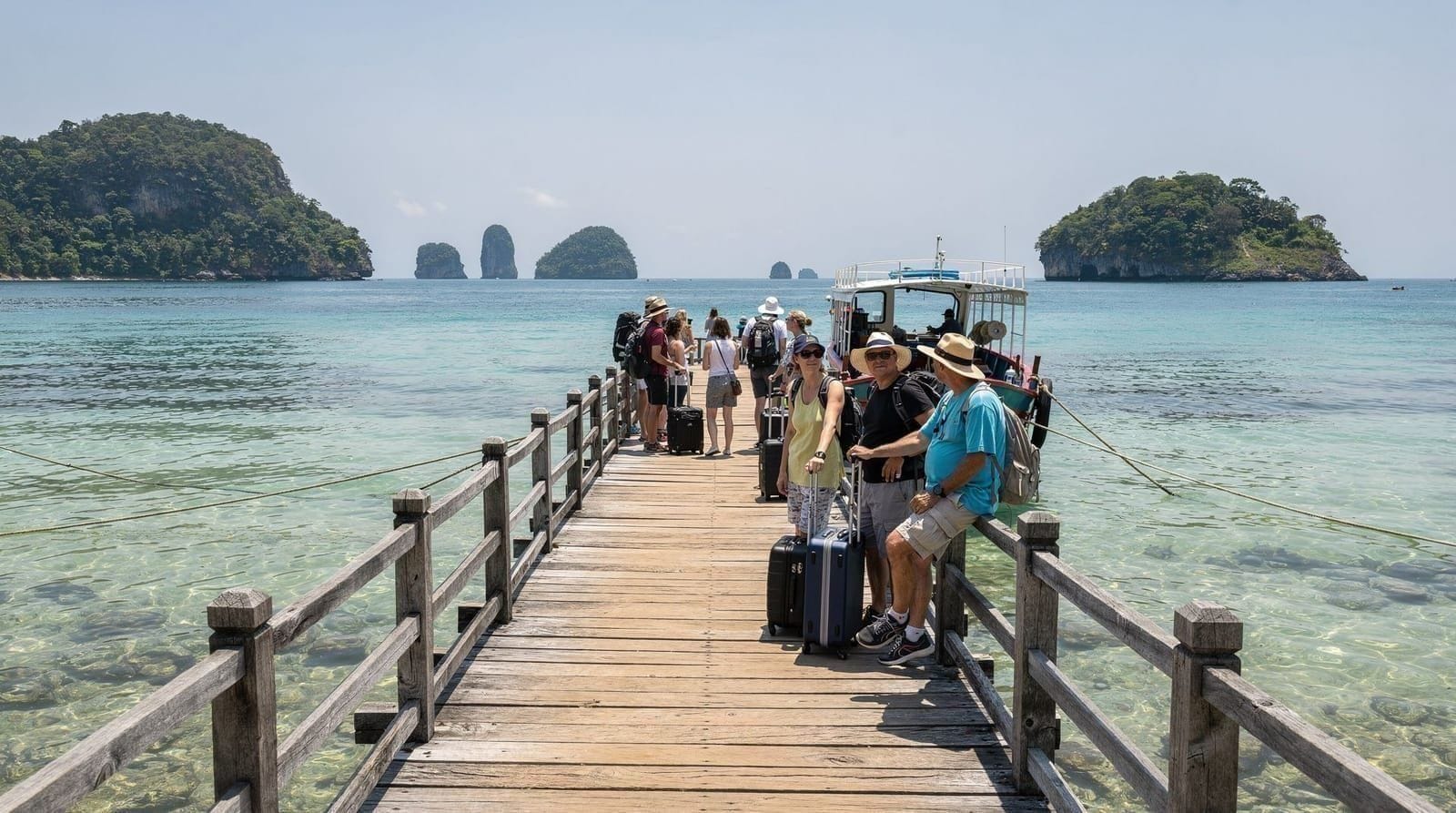
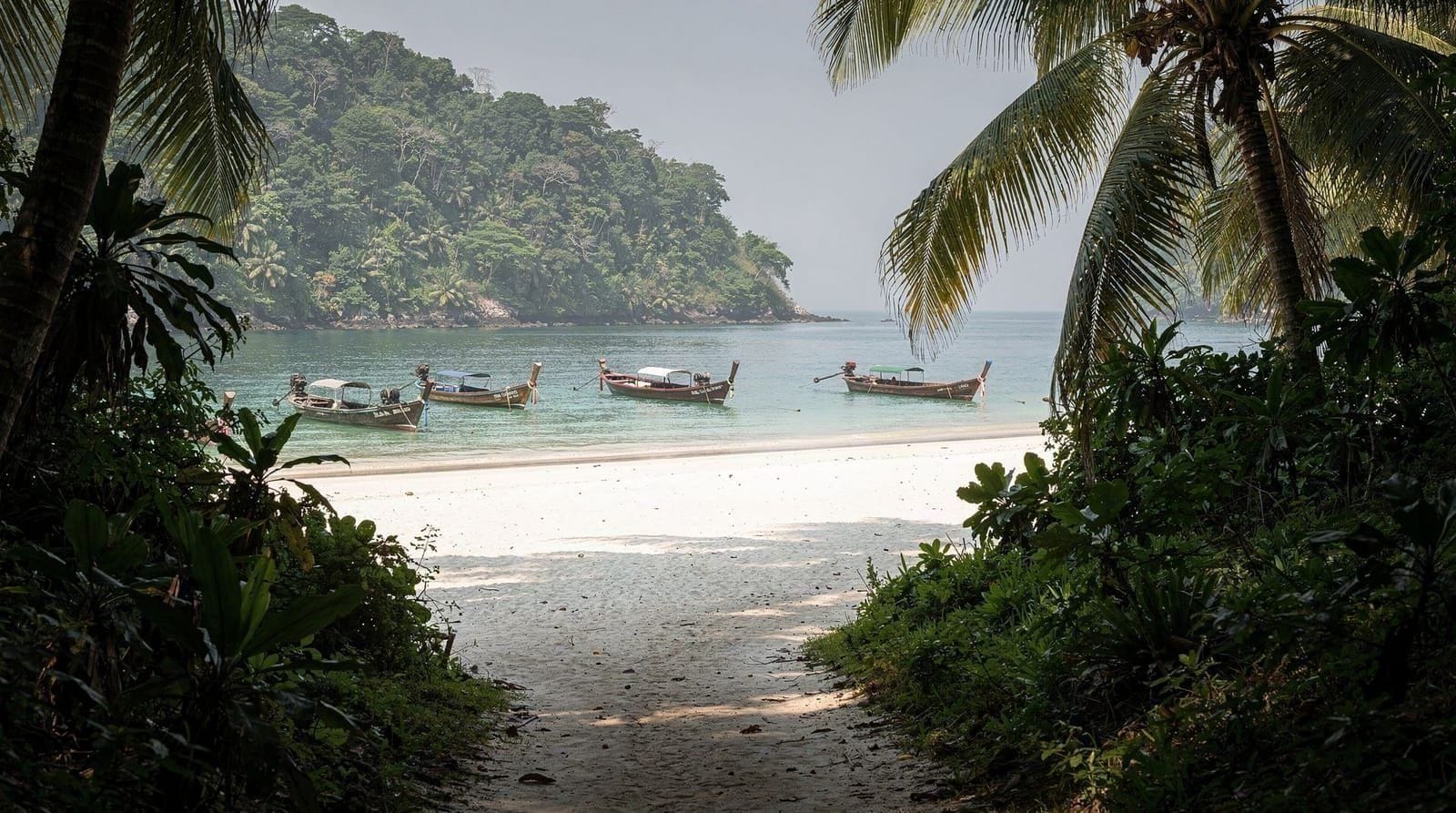
For families wanting an island experience, Coral Island is far better than Phi Phi for young children. The speedboat journey is only 20 minutes from Chalong Pier — far more manageable than the 45–90-minute trip to Phi Phi. The island has:
- Calm, shallow water with sandy bottom at the main beach
- Basic snorkelling (easy for children 6+)
- Kayak hire (100–200 THB/hour)
- Beach chairs, food stalls, toilet facilities
- No jetski traffic on the main snorkelling beach
A half-day trip gives children 3 hours of island time without an exhausting full-day commitment.
Coral Island half-day snorkelling and water activitiesFor families with older children (8+) who want the full Phi Phi experience, a group speedboat tour is fine — just confirm the boat has life jackets for smaller children.
Coral Island half-day speedboat trip from PhuketBeaches to avoid with young children
Patong — Jetski traffic near the swimming area, beach hawker pressure, and a noisy environment make it less suitable for families with young children. The facilities are there but the atmosphere is not relaxing.
Surin — Beautiful beach, but stronger waves and no lifeguards make it inappropriate for children under 8 without close supervision.
Rawai — A fishing village, not a swimming beach. Children will find little to do at the beach itself.
Rainy day options for families
During monsoon or poor weather days, Phuket has several good indoor options:
Aquaria Phuket (Cape Panwa) — Aquarium with walk-through tunnel, touch pools, and daily feeds. Good for children 3+. Tickets approximately 750–850 THB for adults, 600–650 THB for children.
Trick Eye Museum — Interactive optical illusion photo museum in Patong. Good for children 5+. 400–500 THB.
Cooking classes — Several operators in Kata and Old Town offer family cooking classes (children’s versions or family-adapted sessions). Blue Elephant Cooking School and Baan Kata Cooking School both welcome children.
Phuket Aquatic Centre — Olympic-size pool with children’s sections. Kata.
Practical health and safety for families in Phuket
A few considerations that affect families more than solo travellers:
Water: Tap water in Phuket is not potable. Stock up on bottled water (15–30 THB per 1.5-litre bottle at 7-Eleven) and use it for brushing teeth too. Most hotels provide complimentary bottles — ask for extras for the beach.
Sun: At latitude 8°N, UV levels are extreme year-round. Apply SPF50+ reef-safe sunscreen at least 20 minutes before beach exposure and reapply every 2 hours. Rash guards and UV-protective swimwear for children dramatically reduce sunburn risk — widely available at Phuket markets for 200–400 THB. Wide-brim hats are not optional for toddlers.
Dengue: Dengue fever is present year-round in Phuket. Use DEET-based insect repellent, particularly at dawn and dusk. Symptoms (high fever, joint pain, rash) typically appear 4–10 days after a bite. Dengue is serious in young children — seek medical attention immediately if fever develops during or after your trip.
Jellyfish: Jellyfish are most common in the shoulder seasons (May, October–November). Rash guards are the most reliable protection for children who spend extended time in the water. If stung, rinse with seawater and apply vinegar.
Medical access: Bangkok Hospital Phuket and Mission Hospital Phuket handle paediatric cases. Both are in Phuket Town, approximately 20–30 minutes from Kata. Travel insurance with emergency medical cover is essential when travelling with children.
Getting around Phuket with children
Grab is the practical transport choice for families — air-conditioned cars, no meter haggling, and a fixed fare shown before booking. Fares from Phuket airport to Kata run 500–650 THB. Intra-beach fares are 100–300 THB.
Tuk-tuks and songthaews are cheaper but less comfortable with young children — no air conditioning, bouncy rides, and no child seat options. For short trips between nearby beaches they’re fine; for longer routes or with a restless toddler, Grab is worth the premium.
Renting a scooter with young children as passengers is not recommended — Thai roads, lack of appropriate child helmets, and accident risks outweigh the convenience. If you need independent transport, rent a car (available from 1,200–2,000 THB/day with major operators at the airport).
Day-trip planning for families with young children
The island day trips are one of Phuket’s main appeals, but the logistics require thought for families. Key points:
Depart early — 7:00–8:00 am departure times are standard for island tours. This means an early breakfast and potential nap issues for younger children. Pack snacks and water for the boat.
Confirm life jacket availability — reputable operators provide child-sized life jackets. Ask before booking for children under 10.
Coral Island for children under 6, Phi Phi Islands for children 6 and over on calm-day departures. The Phang Nga Bay sea cave kayaking tour is excellent for children from around age 5 — the kayaking is gentle and the scenery is engaging without requiring long swims.
Afternoon nap windows and the risk of seasickness are the two main logistical challenges. Motion-sickness tablets for susceptible children should be taken 30 minutes before departure.
Family beach conditions by season
Sea conditions change enough across the year that the “best” beach for a family can shift depending on when you visit. This table summarises what to expect:
| Months | Sea conditions (west coast) | Notes for families |
|---|---|---|
| November–February | Calmest, clearest, peak season | Best window for young children; book beach-adjacent accommodation early |
| March–April | Calm but very hot (35–38°C) | Prioritise shade and pool access; midday beach time is uncomfortable |
| May | Transitional, first monsoon swells | Check flags daily; still workable with flexibility |
| June–October | Rougher, more red-flag days | Nai Yang and Nai Harn stay comparatively calmer; avoid Surin and outer Patong |
| October–November | Winds easing, unpredictable | Good value season; conditions improve through the month |
Choosing between Kata, Kamala and Bang Tao for a family stay
For families deciding where to actually base themselves rather than just where to swim for an afternoon, the three top picks suit slightly different priorities. Kata wins on walkability — a compact village means you’re never far from a pharmacy or a restaurant with a children’s menu, which matters more than it sounds like with tired toddlers at 6pm. Kamala suits families who want more structured infrastructure and plan to combine the beach with an evening at Phuket FantaSea.
Bang Tao’s Laguna complex is the right call if your family’s budget stretches to resort living and you’d rather not leave the property much — the shuttle tram between hotels and the multiple pools reduce the daily logistics to almost nothing. None of the three is objectively “best” — the right choice depends on whether your family values independent exploration, a structured evening-activity plan, or an all-in resort bubble.
Frequently asked questions about Best beaches for families in Phuket — where to swim safely with kids
Which beach is safest for young children to swim?
Is Phuket family-friendly in general?
What activities are good for kids in Phuket?
At what age is a Phi Phi day trip suitable for children?
Are jellyfish a risk at Phuket beaches?
Is the beach hawker situation bad with children?
Which areas of Phuket have good facilities for babies and toddlers?
Are there any dangerous currents at Phuket beaches?
Top experiences
Bookable activities with verified prices and instant confirmation on GetYourGuide.