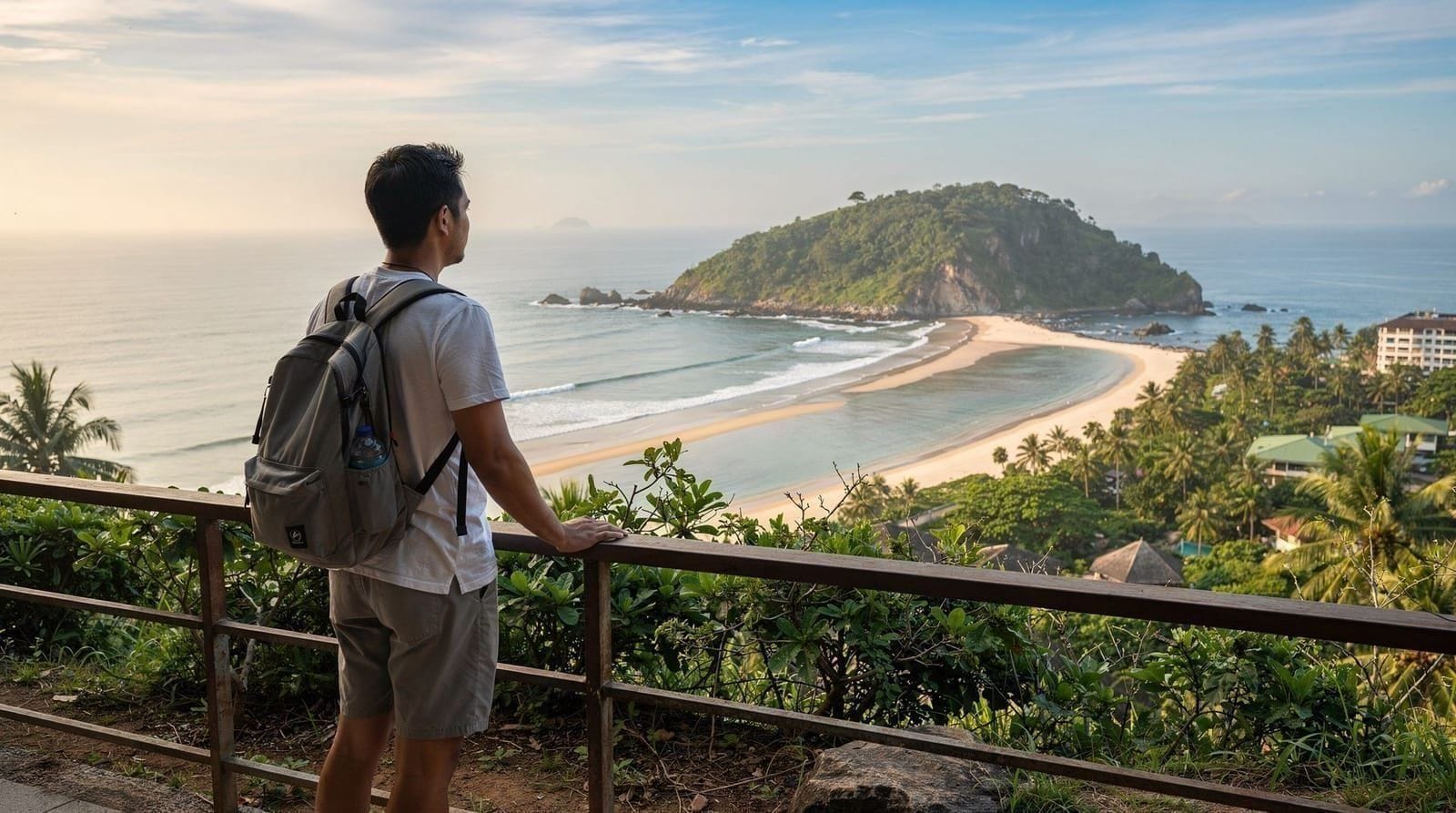
Quiet beaches in Phuket — where to escape the crowds
Phuket: Scuba diving & snorkeling boat tour to Racha
Are there any quiet beaches in Phuket away from the crowds?
Yes — Nai Thon, Laem Singh cove, Ya Nui Beach, Ao Sane, and the national park section of Nai Yang are all significantly quieter than the main tourist beaches. Most require a scooter or Grab ride and a short walk, which is exactly why they stay uncrowded.
Phuket has a reputation for crowds, and Patong and Kata earn it. But the island is 48 km long with 30+ named beaches, and the majority of tourists concentrate on five or six. The following beaches are genuinely quiet — not because they’re inferior, but because they require a small effort to reach.
| Best overall | Nai Thon (700m, minimal infrastructure) |
| Easiest access | Nai Yang national park section, by Grab |
| Best for snorkelling | Ao Sane, near-shore reef |
| Requires a walk/boat | Laem Singh, Freedom Beach |
| Best window | Late November–January, dry and uncrowded |
| Cost | Free — all Thai beaches are public below the high-tide line |
What “quiet” means in practice
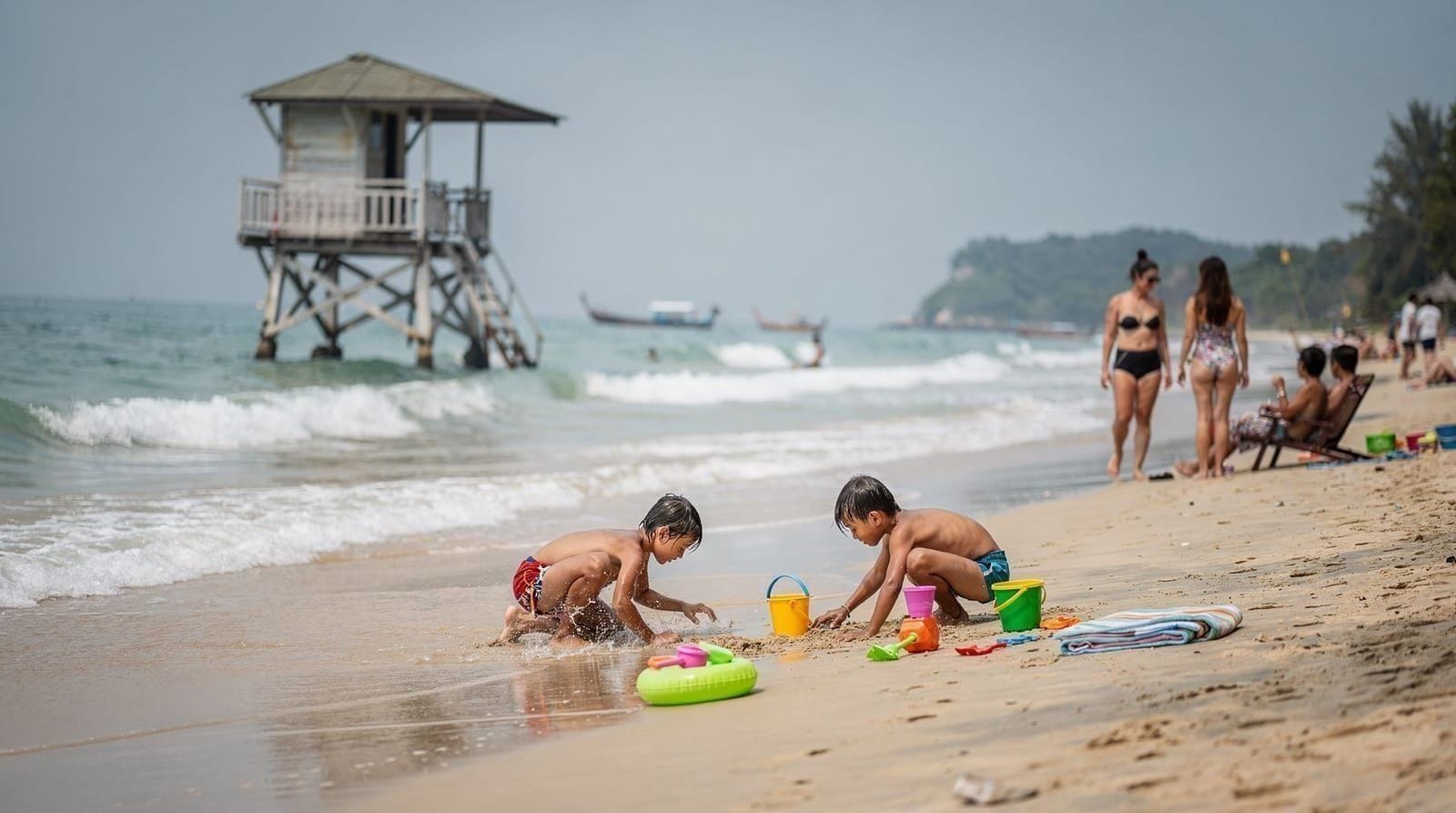
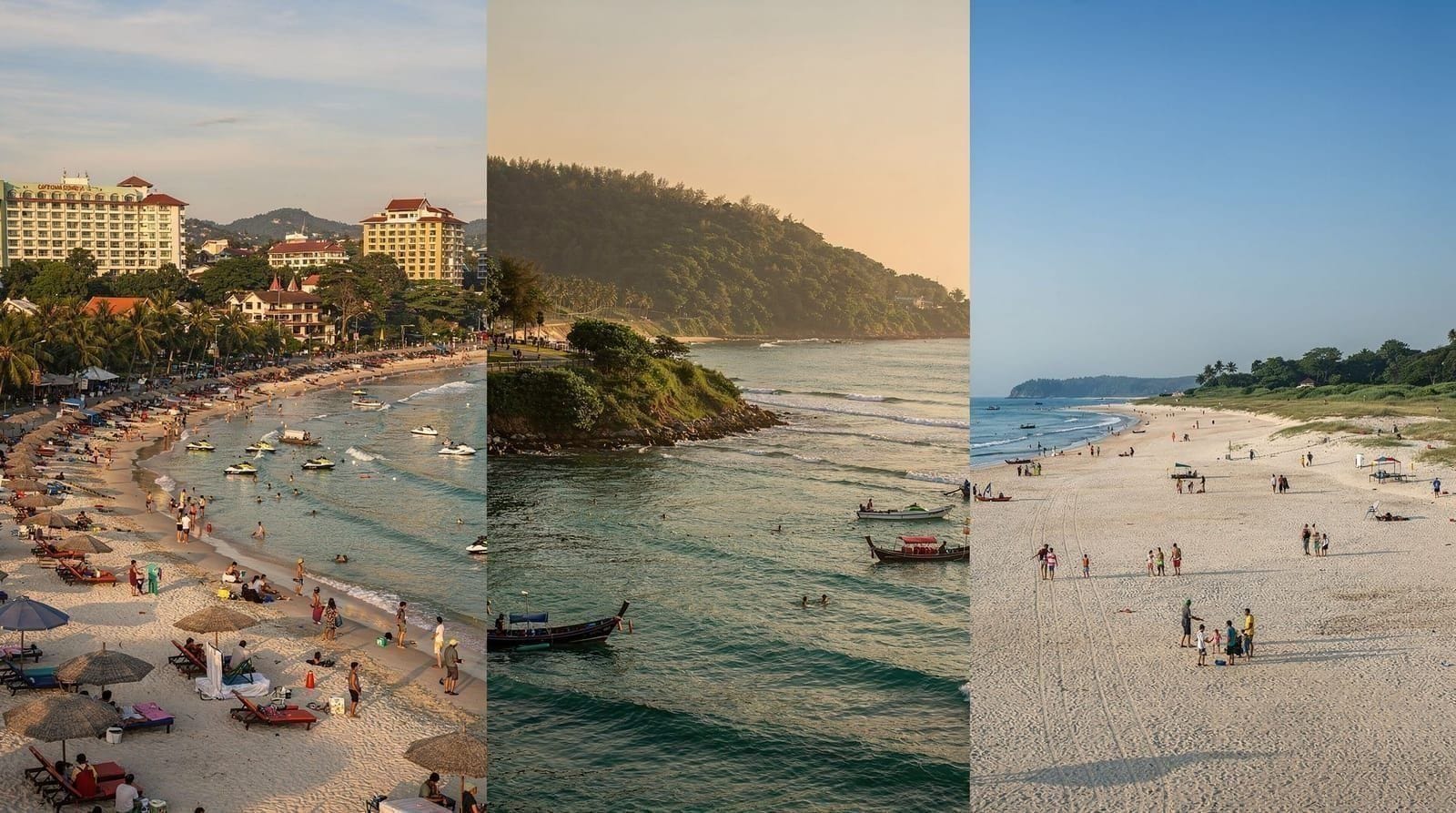
These beaches won’t be empty — Phuket’s population and tourist volume is large. “Quiet” means 20–80 people rather than 500–2,000, no beach hawkers approaching every 5 minutes, and room to put a towel down without negotiating for space. In peak season (December–March), they’re still meaningfully less crowded than the main beaches.
Nai Thon (Naithon) — the best quiet beach overall
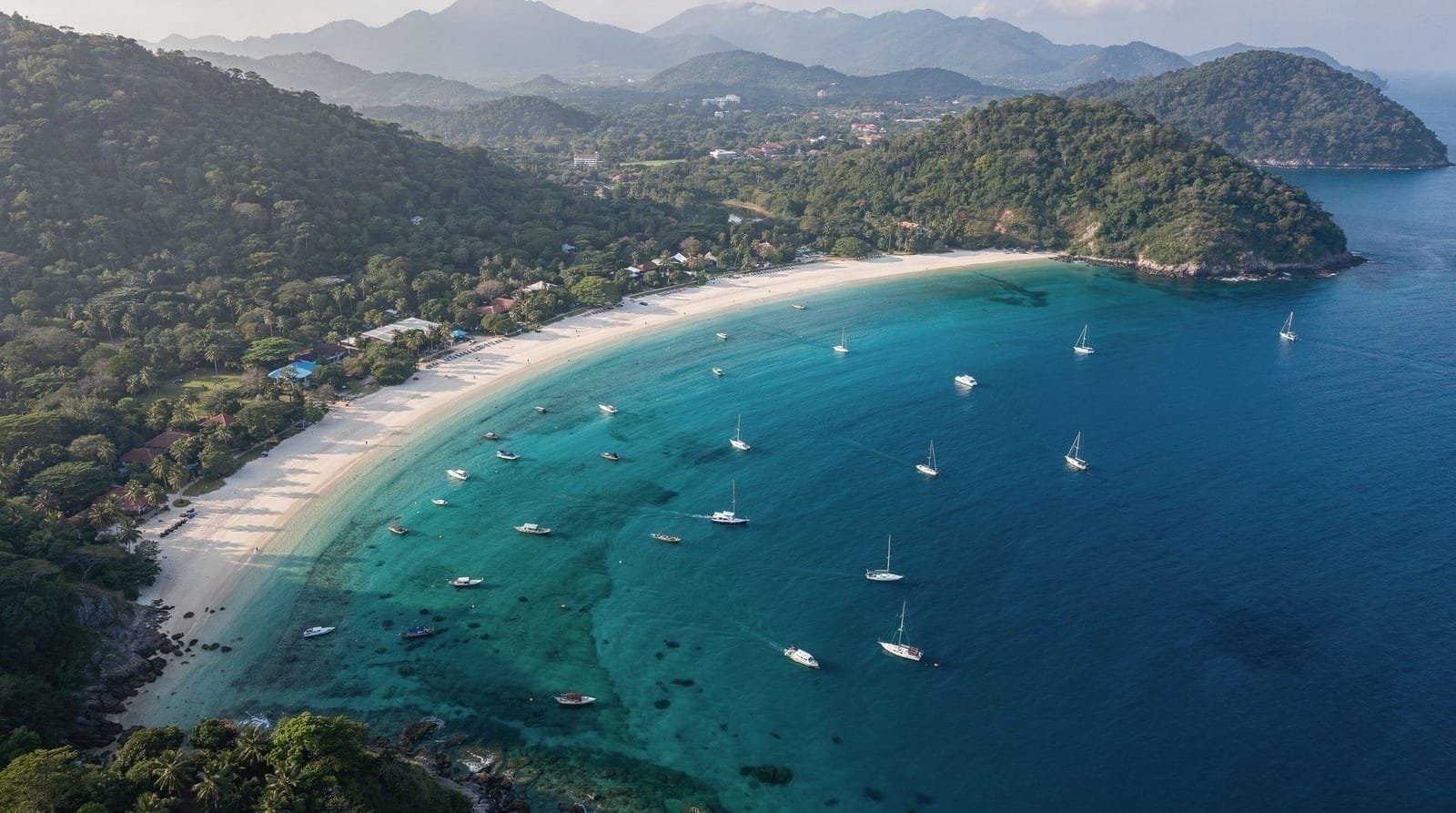
Nai Thon is a 700 m crescent on the northwest coast, flanked by rocky headlands and backed by hills. There are no beach clubs, no sunbed operations to speak of, and the single restaurant on the beach (Nai Thon Restaurant) has been serving Thai food here for decades. Two luxury hotels (Trisara is 2 km north, Andara is 3 km south) add some high-end visitors, but the beach retains its quiet character.
Water quality: Clear and generally calm in dry season. The bay faces slightly northwest so it gets more swell than southeast-facing beaches in the transition seasons.
How to reach: 20 minutes north of Bang Tao by Grab (150–250 THB from Kamala). No songthaew. Some road signs spell it “Naithon.” Park by the roadside and walk 2 minutes to the beach.
What to bring: Water and food if you want more than what Nai Thon Restaurant offers. Snorkelling equipment (some coral at the rocky north end of the beach).
Laem Singh — the short hike cove
Laem Singh is a small cove (about 150 m) hidden between Kamala and Surin. There are no vehicles, no beach chairs for hire, and no restaurant. Access requires a 5-minute walk down a steep rocky path from the road.
The water is clear and a brilliant shade of turquoise — among the best water quality on the island. The northern rock shelf has some accessible snorkelling. On weekdays, you’ll often find fewer than 20 people.
How to reach: Grab to the layby on Route 4025 between Kamala and Surin (ask for “Laem Singh Beach” or use coordinates 7.989°N, 98.272°E). Look for the path starting at a small roadside shrine. The steep descent requires reasonable footwear — flip-flops are fine but sandals with grip are better.
Warning: The path can be muddy and slippery in monsoon. The sea at Laem Singh can get rough in swell — check conditions before swimming.
Ya Nui Beach — the cove with a view
Ya Nui is a tiny horseshoe cove immediately south of Nai Harn, accessible by a short walk from the Nai Harn road or by longtail boat from Rawai. The beach is about 100 m of white sand between two rocky headlands with clear turquoise water.
The additional draw: Ya Nui sits next to Promthep Cape — Phuket’s southernmost point and best sunset viewpoint — making it easy to combine a beach afternoon with watching the sunset from the cape 5 minutes’ walk away.
How to reach: Grab to Ya Nui from any Phuket base (200–350 THB from Kata). Alternatively, rent a scooter and park at Nai Harn, then walk or take the small path south.
Facilities: A few small drink stalls at beach level. Basic and refreshingly minimal.
Ao Sane — the snorkeller’s secret cove
Ao Sane is hidden between Ya Nui and Nai Harn and offers some of the best accessible snorkelling from any Phuket beach. The entry is via a rocky path from the road above, or by longtail from Rawai Pier.
The beach itself is rocky at the waterline rather than sandy — comfortable chairs are not readily available. But the water is clear, the reef starts almost immediately from shore, and you’ll likely share it with 10–20 people rather than hundreds.
Best for: Experienced snorkellers who want an accessible reef without a boat trip.
Freedom Beach — effort rewarded
Freedom Beach (Hat Kamala Noi) is between Patong and Kamala, accessible by longtail from Patong Beach (100–200 THB each way, 10 minutes) or by a steep 20-minute walk from the Kamala road. The longtail operators on Patong beach can point you to the boat.
The beach is a beautiful 300 m cove with softer sand than many Phuket beaches. No road access means no vehicles, no hawkers, and genuinely quiet conditions on weekday mornings. On weekend afternoons it can get busy with local Thai visitors arriving by longtail.
Best timing: Monday–Friday mornings. The longtail boat returns on a schedule — confirm the last boat time before settling in.
National park section of Nai Yang
Nai Yang in the north has two distinct sections: the commercial beach area near the village and the Sirinat National Park section further north. The national park stretch (accessible by walking north from the main Nai Yang beach) is 2+ km of almost empty sand with casuarina tree shade and minimal infrastructure. The national park entry point is free; the road access to the northern section is limited.
Best for: Long walks, sea turtle nesting observation (eggs are laid November–February; the area around hatching sites is roped off), and genuine isolation.
Racha Island snorkelling boat tripQuiet beaches compared at a glance
| Beach | Access | Facilities | Best for |
|---|---|---|---|
| Nai Thon | Grab, no walk | One restaurant | All-round quiet, families |
| Laem Singh | 5-min steep path | None | Turquoise water, couples |
| Ya Nui | Short walk/Grab | Drink stalls | Sunset combo with Promthep Cape |
| Ao Sane | Rocky path | None | Near-shore snorkelling |
| Freedom Beach | Longtail or 20-min walk | None | Escaping vehicle access entirely |
| Nai Yang (park section) | Walk north from village | None | Long walks, turtle nesting season |
If you’re deciding between the northwest cluster (Nai Thon, Nai Yang) and the south (Ya Nui, Ao Sane, Freedom Beach), base the choice on where you’re staying — the drive between the two clusters is 45–60 minutes, too far for a single day covering both comfortably.
Beyond Phuket island: quiet beaches on nearby islands
If genuinely quiet beachgoing is a priority, the quietest option is not on Phuket at all — it’s 45 minutes away by ferry:
Koh Yao Noi — A small island in Phang Nga Bay with quiet coves, cycling tracks along the coast, and almost no mass tourism. The beaches are not as dramatic as Phi Phi but the atmosphere is entirely different. A 1–2 night stay resets expectations about what a Thai island can feel like without a party scene.
Racha Island — More of a snorkelling and diving destination (see the scuba diving in Phuket guide for dive-site detail), but the Ao Bungalow beach on the west coast is rarely crowded and genuinely beautiful.
Coral Island half-day trip — an uncrowded island alternativeTiming and seasonal access
The quiet beaches are usable year-round but conditions vary significantly. During high season (November–March), all are accessible and at their calmest — this is the best window for Laem Singh and Ao Sane specifically, when the water is clear and flat.
Monsoon season (June–October) changes the picture. West-facing beaches like Nai Thon and Laem Singh pick up more swell during this period. Ya Nui, tucked behind its headlands, stays calmer than most. Freedom Beach can have rough surf and the longtail service from Patong operates less reliably.
The shoulder months of April–May and October–November are a reasonable middle ground — fewer peak-season crowds, still mostly accessible, with occasional choppy days. Jellyfish are more common in May and October–November on all beaches.
If you’re visiting primarily for the quiet beaches, late November through January is the optimal window: stable dry weather, flat seas, and crowd levels that haven’t yet hit peak Christmas/New Year volume.
Combining quiet beaches with other activities
The south coast’s quiet beaches sit conveniently close to several other worthwhile stops. Nai Harn itself has a local food scene — cheaper Thai restaurants around the lake behind the beach, with prices closer to 80–120 THB per dish than the tourist-beach norm of 200–400 THB.
Rawai’s seafood market is 10 minutes from Ya Nui and Ao Sane by scooter. You point at fresh fish laid out on ice and specify your preferred cooking method — grilled, steamed, or fried. Prices depend on the day’s catch but a full seafood meal for two typically runs 400–800 THB. It’s one of the few places in Phuket where restaurant prices reflect local rather than tourist economics.
Promthep Cape viewpoint, at Phuket’s southern tip, is free to access and gets crowded with sunset-watchers from 5:30 pm onwards. Arrive by 5:00 pm to secure a spot. The combination of an afternoon at Ya Nui followed by the Promthep sunset is one of the better low-budget days on the island.
For travellers interested in getting around Phuket independently, scooter rental unlocks all of these sites in a single day for 300–600 THB. Photograph every inch of the scooter before riding — the practice of claiming pre-existing damage is a documented issue, and never surrender your passport as a deposit.
A note on beach access rights in Thailand
All beaches in Thailand are legally public below the high-tide line. Hotels, resorts, and beach clubs cannot legally deny access to any beach. This is relevant to Bang Tao and Kamala, where resort grounds sometimes create the impression of a private beach. Walk down to the waterline — you have full legal right to be there, with or without being a hotel guest.
Some resorts charge for sunbeds (100–200 THB/sunbed/day) and this is valid — you don’t have to pay, but you can’t use their sunbeds without paying. Bringing your own towel and laying it on the sand anywhere below the high-water mark is always free and legal.
Best time of day, regardless of season
Even in high season, timing your visit within the day matters more than most guides admit. Arriving before 9am at Nai Thon or Ya Nui often means having the sand almost entirely to yourself, even in December. Weekday mornings are consistently the quietest window across every beach on this list — local Thai families visit on weekends, and tour groups (where they run at all) tend to arrive from mid-morning onward. If your schedule allows it, an early start rewards you disproportionately at these smaller, less-serviced beaches.
Who quiet beaches suit — and who they don’t
Quiet beaches genuinely reward independent travellers who don’t mind arranging their own transport and bringing water and snacks. They’re a poor match for anyone wanting a beach club atmosphere, sunbed service, or a big choice of restaurants within a two-minute walk — for that, Kata or Karon still do it better. Repeat visitors comparing options across the best beaches in Phuket tend to alternate: a lively beach day followed by a quiet one, rather than choosing exclusively one type for a whole trip.
Frequently asked questions about Quiet beaches in Phuket — where to escape the crowds
What is the most secluded beach in Phuket?
How do I get to the quiet beaches without a scooter?
Are the quiet beaches safe for swimming?
Are the quiet beaches free to access?
Why are some beaches in Phuket so much quieter?
Which quiet beaches are best for snorkelling?
Is there anywhere to eat near the quiet beaches?
Do the quiet beaches get crowded on weekends?
Top experiences
Bookable activities with verified prices and instant confirmation on GetYourGuide.