Is Phuket worth visiting in 2026?
Phuket: Phi Phi, Maya Bay & Khai Island day tour by speedboat
Is Phuket worth visiting?
Yes — but with realistic expectations. The beaches and island day trips genuinely deliver, especially outside Patong. Budget for 2,500–4,000 THB/day mid-range, avoid peak Christmas–New Year prices, and plan at least 5 days to reach the quieter spots.
Phuket gets around 10 million visitors a year. That number alone tells you it’s popular — but popularity and “worth it” are different things. This guide gives you an honest read on what Phuket actually delivers, what it gets wrong, and how to calibrate your expectations before booking flights.
| Cost | around 2,500–4,000 THB/day mid-range |
| Time needed | 5–7 days for a well-rounded trip |
| Best for | island-hopping, beach variety, food, families |
| Worst season | December–New Year (crowds + prices) |
| Best season | November, May (weather/crowd balance) |
What Phuket genuinely does well
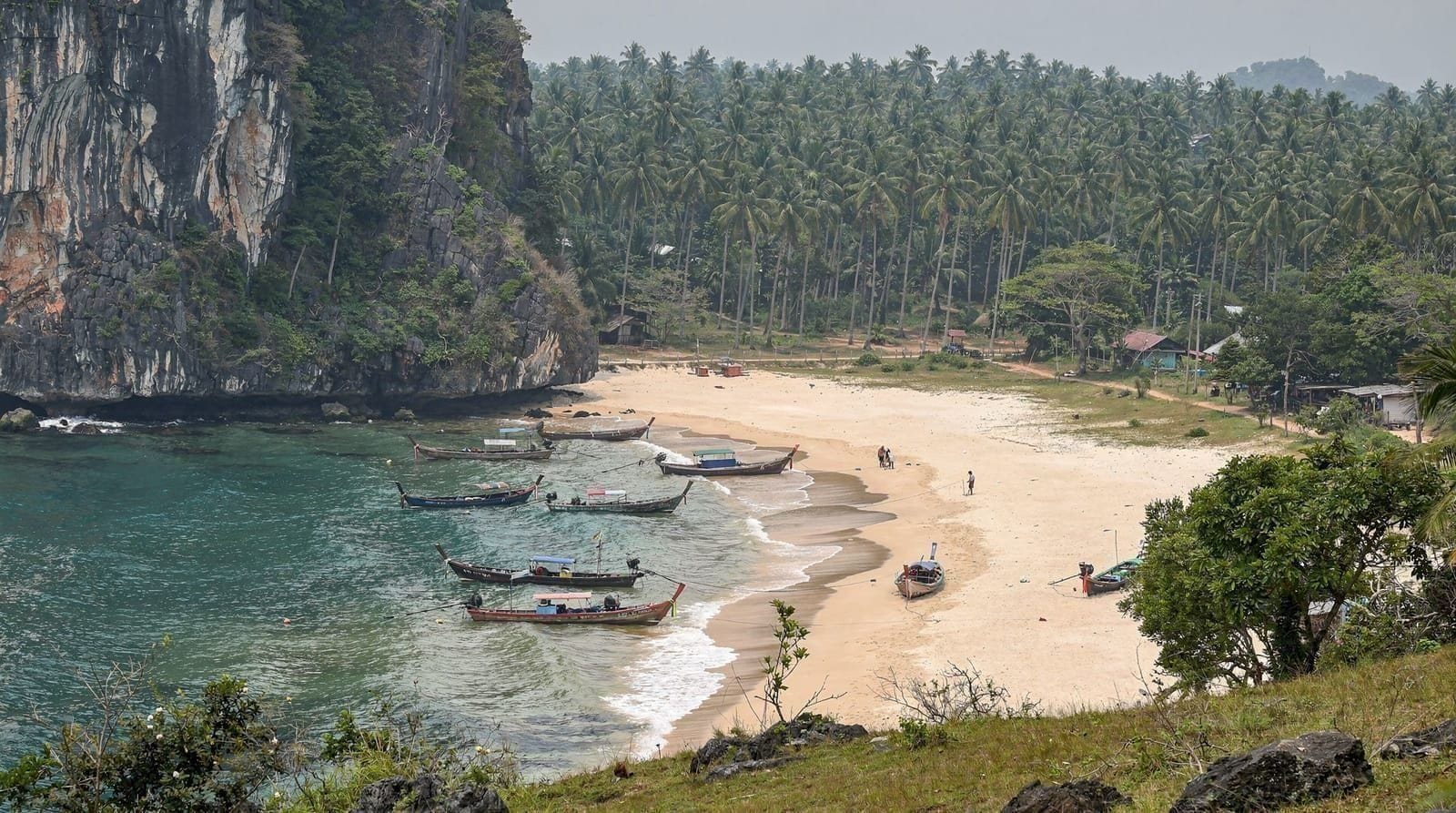
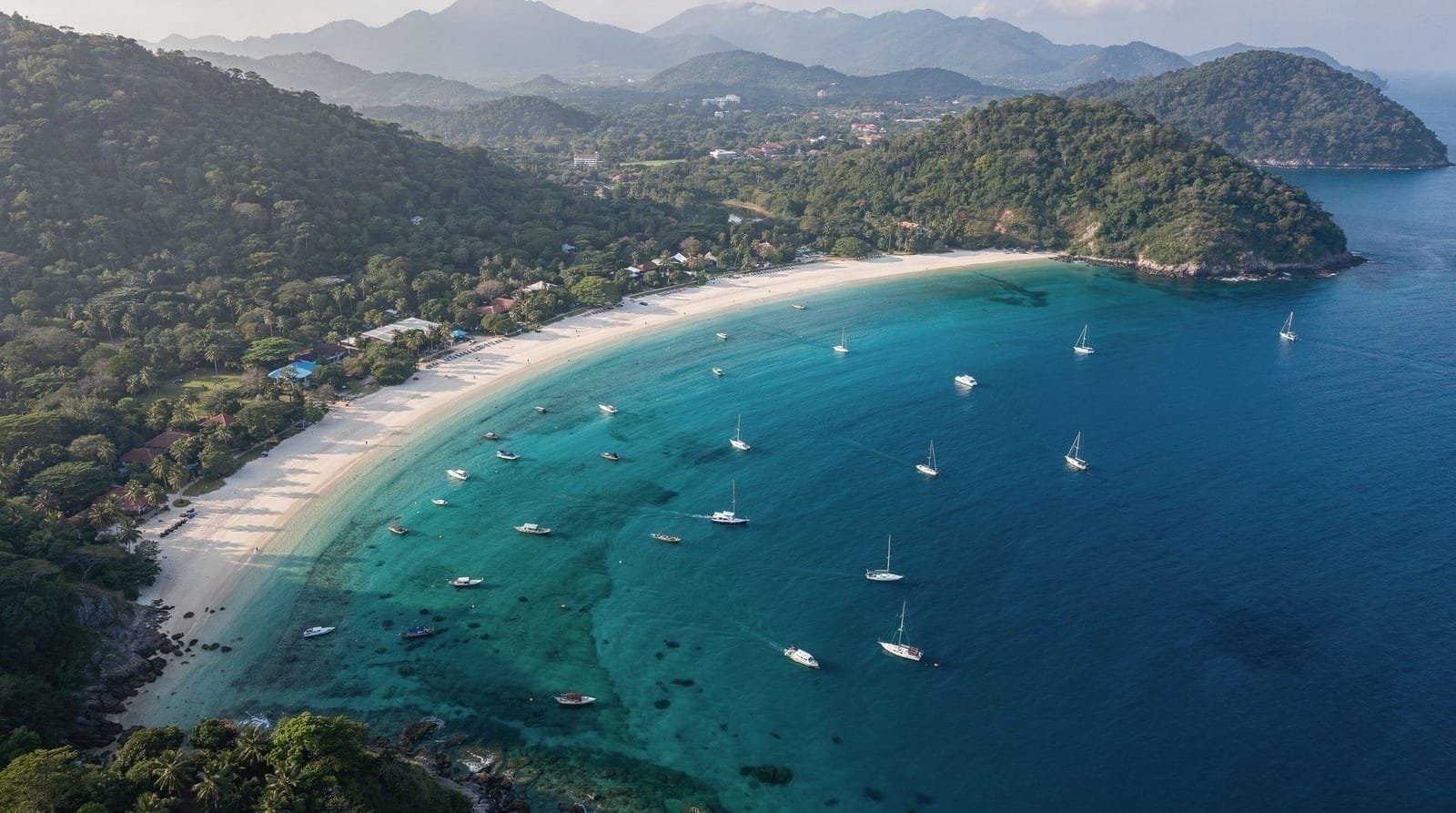
The island’s greatest assets are things photographs can’t exaggerate: the Andaman Sea really is that shade of turquoise, the limestone karsts around Phang Nga Bay really do look that dramatic, and a speedboat day trip to Phi Phi genuinely ranks among the most scenic boat rides in Southeast Asia.
Day trips from Phuket’s piers punch above their weight. Within 45–90 minutes by speedboat you can reach:
- Phi Phi Islands — towering cliffs, snorkelling coves, and the filming location of The Beach
- Phang Nga Bay — sea caves, floating villages, and James Bond Island
- Similan Islands — world-class diving (open November–April)
- Racha Island and Coral Island — accessible half-day snorkelling from 1,200 THB (about $37)
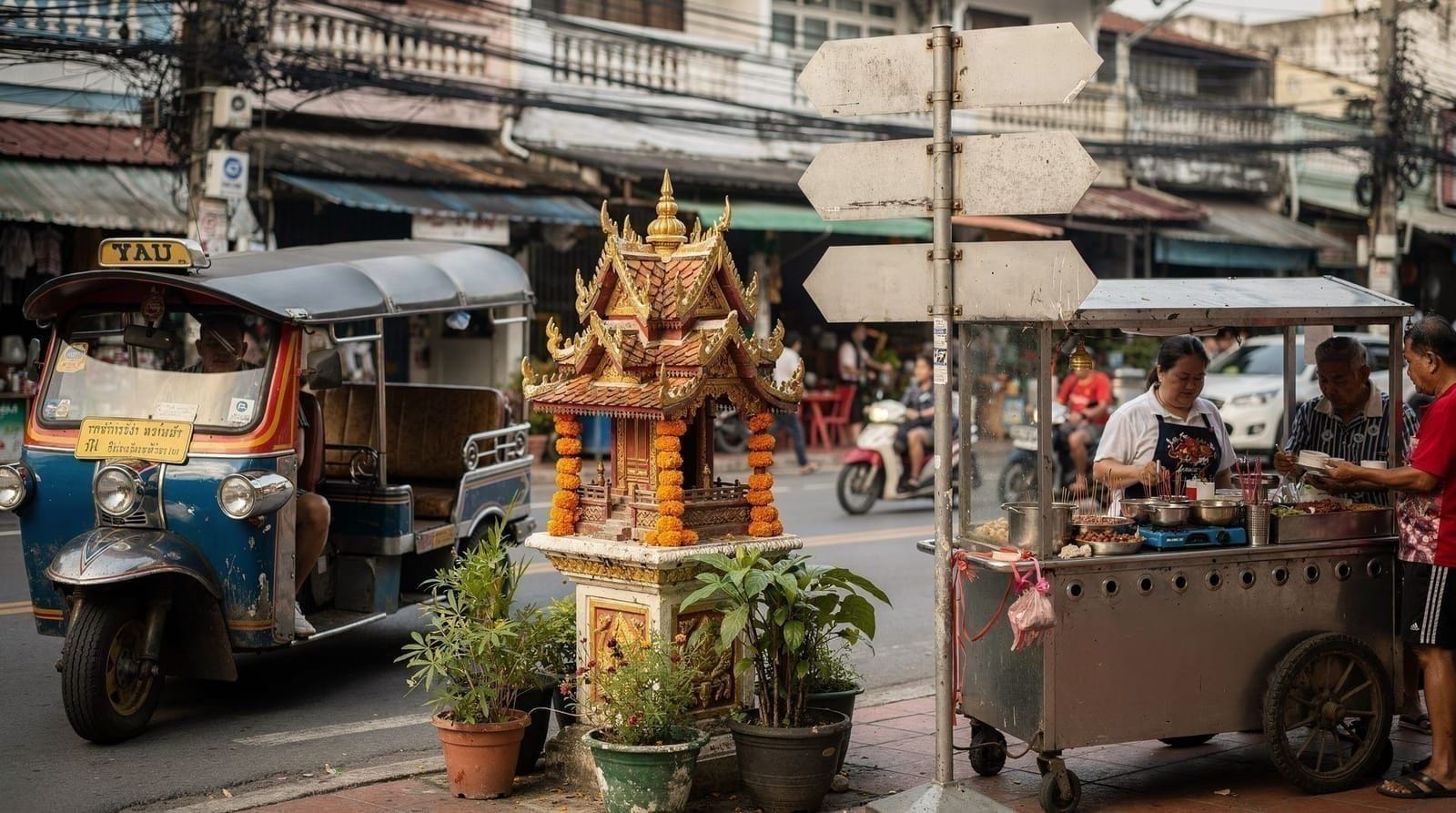
The food scene in Phuket Old Town is genuinely good and underrated. Roti shops open at 6 am, night markets run until midnight, and a full meal rarely exceeds 150–200 THB ($4.60–6.15). The heritage Sino-Portuguese architecture along Thalang Road is photogenic without the staged quality of some preserved old towns.
Diving and snorkelling deserve a specific mention because they’re often underrated in general “is it worth it” write-ups that focus purely on beaches. The Similan Islands rank among the better dive sites in Southeast Asia when open (November–April), with visibility regularly exceeding 20 metres and a reasonable chance of manta ray or whale shark sightings in season. Even non-divers can snorkel the same reefs from a liveaboard or day-trip boat. The scuba diving guide and Similan diving guide go deeper into certification options, operator selection, and what a typical dive day costs.
Phi Phi, Maya Bay and Khai Island speedboat day tripWhere Phuket disappoints
Patong is the elephant in the room. Bangla Road at night is loud, garish, and relentlessly commercial — which is exactly what some travellers want and exactly what drives others to despair. The beach itself is wide but coarser than Kata or Karon, and the water is more crowded with jetskis. If your mental image of Phuket is a quiet tropical escape, Patong will shock you.
Tourist prices are real. A beach sunbed on Patong or Kata costs 100–200 THB and the same vendor will try to sell you overpriced fruit shakes. Restaurant menus aimed at tourists charge 3–5× local prices for the same dish. This gap is easy to sidestep (eat at local shophouses, use Grab for transport, buy water at 7-Eleven), but it requires conscious effort.
Scooter rental risks are higher than most travel blogs admit. Rental shops that hold your passport, pre-existing damage blamed on you, and inflated “repair” invoices are documented problems. If you rent one, photograph every scratch before leaving the shop, never hand over your passport, and pay a documented deposit by card if possible. See the scooter rental guide for specifics.
Peak season crowds (December–March) compress the island. Phi Phi and Maya Bay see hundreds of boats arriving simultaneously. Maya Bay now has daily visitor limits, but the entry system is still developing.
Who should go to Phuket
Phuket works well if you want:
- Island-hopping as a base — nowhere in Southeast Asia gives you easier access to this many quality day trips from a single hub
- Beach variety — a dozen distinct beaches within 30 minutes’ drive, from party-central Patong to the near-empty coves near Nai Harn
- A mix of activities — diving, cooking classes, muay thai, temple visits, and nightlife all coexist
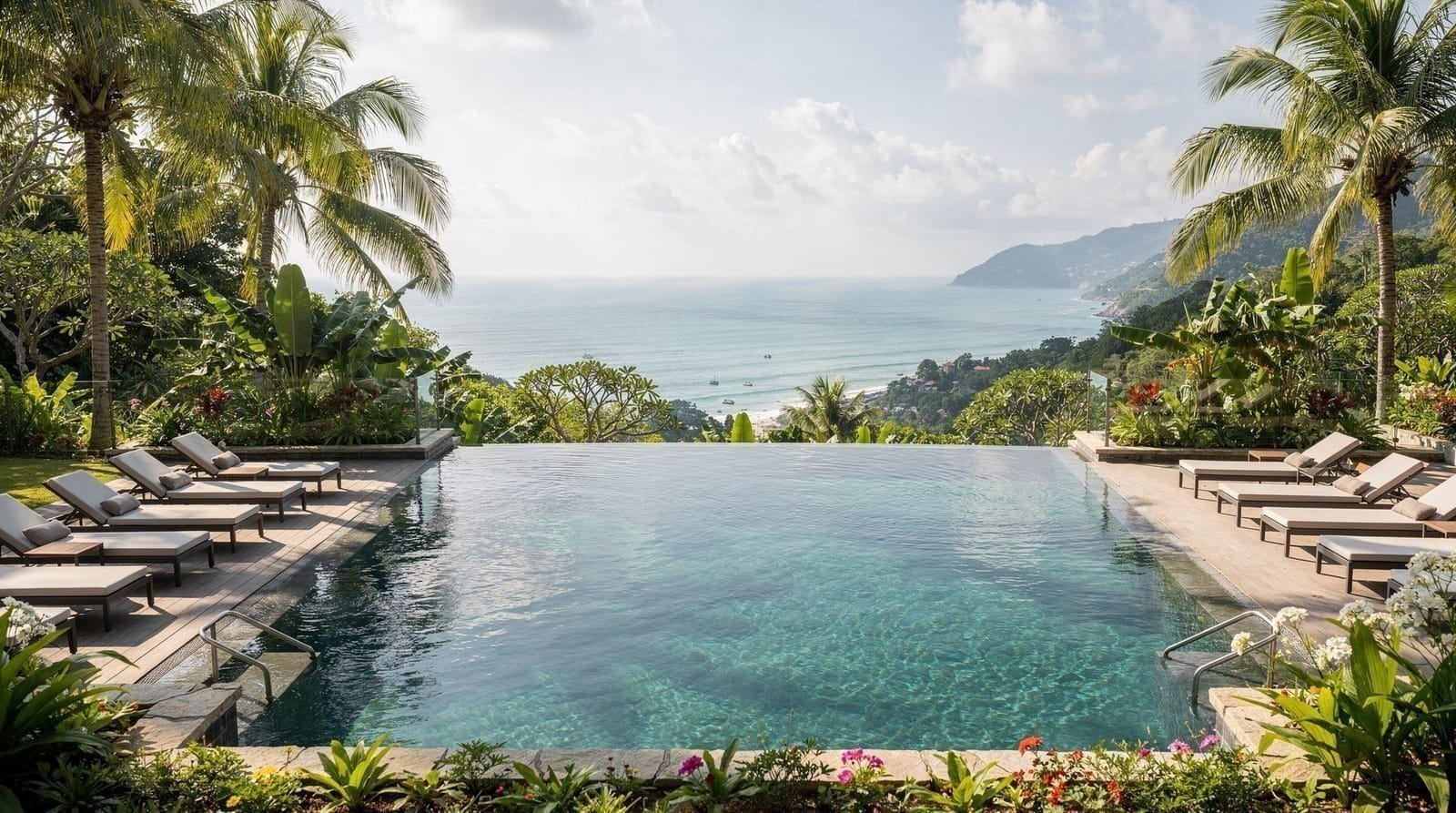
- A family holiday with infrastructure — Kata Beach and Kamala have calm water, good restaurants, and medical clinics
Phuket works less well if you want:
- Total solitude and pristine nature (go to Koh Yao Noi or the Similan liveaboard circuit)
- Ultra-budget backpacker travel (Chiang Mai or Pai is cheaper by 40–60%)
- Authentic Thai village life uncontaminated by tourism
The honest cost breakdown
Based on 2026 mid-market rates (1 USD = 32.6 THB):
| Category | Budget | Mid-range | Comfort |
|---|---|---|---|
| Accommodation/night | 400–800 THB guesthouse | 1,500–3,000 THB hotel | 4,000–8,000 THB resort |
| Street food meal | 60–120 THB | — | — |
| Restaurant meal | — | 300–600 THB | 700–1,500 THB |
| Grab airport→Kata | ~600 THB | ~600 THB | Private van ~1,200 THB |
| Phi Phi day trip | 900–1,200 THB shared | 1,500–2,200 THB premium | 5,000–12,000 THB private |
| Scooter/day | 300–400 THB | 400–600 THB | — |
A week in mid-range Phuket — decent hotel, restaurant meals twice a day, two island day trips, airport transfer, and entrance fees — typically runs 25,000–40,000 THB ($767–$1,227) per person, excluding flights.
Where you can trim without hurting the trip: pick one splurge day trip (Phi Phi or Similan) and one budget snorkelling day (Racha or Coral Island shared boat, around 1,200 THB), rather than paying premium prices for every excursion. Where trimming backfires: cutting corners on the scooter rental deposit process, or choosing the cheapest possible dive operator without checking certification credentials.
Comparing Phuket to alternatives
If you’re weighing Phuket against Krabi or Koh Samui: Krabi has more dramatic scenery and fewer crowds but a smaller hotel selection and no direct international flights. Koh Samui has its own airport (more accessible from Bangkok) but the beaches are on the Gulf of Thailand — different sea conditions and seasonal timing than the Andaman.
Phuket wins on connectivity, infrastructure, and the range of day trips. It loses on solitude and “undiscovered” authenticity. The full Phuket vs Krabi vs Koh Samui guide walks through the comparison in more detail, including which destination suits divers, families, and honeymooners differently.
It’s also worth being honest that “worth visiting” depends on what you’re comparing it to. Against a generic beach holiday anywhere in the world, Phuket’s combination of infrastructure, food, and day-trip access is hard to beat for the price. Against a genuinely remote, undeveloped tropical island, Phuket will always lose — that’s simply not what it’s selling. Knowing which comparison you’re actually making avoids a lot of disappointment.
Coral Island half-day snorkelling and water sportsPractical entry notes for 2026
Since June 2026, EU, UK, US, Canadian, and Australian passport holders get 30 days visa-free (down from 60). If you plan to stay longer, apply for a Thailand e-Visa before travel. All arrivals must complete the Thailand Digital Arrival Card (TDAC) within 72 hours before landing — it’s free and takes about 10 minutes online.
The full Phuket visa guide covers all nationalities and the current e-Visa process.
Money, connectivity, and getting around
Thailand runs largely on cash for street food and small vendors, but cards and mobile payment (PromptPay-linked apps for locals, and increasingly Alipay/WeChat integrations for visitors) are widely accepted at hotels, malls, and mid-range restaurants. ATM withdrawal fees are typically 220 THB per transaction on top of your home bank’s fee — a Wise or Revolut card that waives foreign withdrawal fees saves real money over a week-long trip. The full money guide covers ATMs, tipping norms, and currency exchange in detail.
Getting around the island without your own transport means relying on Grab (the safer, metered alternative to unmarked taxis) or pre-booked hotel transfers. Public songthaews (shared pickup trucks) run fixed routes between Phuket Town and the main beaches for 30–50 THB, but schedules are informal and routes don’t cover every beach. The getting around Phuket guide breaks down every option, including whether renting a scooter makes sense for your specific itinerary.
How Phuket compares on value against the itinerary
If you’re deciding how many days to allocate, the honest answer is that Phuket rewards a longer stay more than most Thai destinations, because the payoff isn’t just the island itself — it’s the day trips. A 3-day trip essentially only allows one island excursion plus a bit of beach time; a 7-day trip lets you spread across two or three day trips, sample multiple beaches, and build in a genuine rest day. The itinerary ideas guide and 7-day itinerary both map realistic day-by-day plans if you want a ready-made structure rather than building one from scratch.
The verdict
Phuket is worth it for most visitors — particularly those using it as a hub for Andaman island exploration. It’s not the romantic untouched paradise some brochures imply, but the beaches, boat trips, and food are all genuinely good if you choose well. The island rewards research: picking the right beach for your travel style, knowing which tours are overpriced, and understanding the seasonal trade-offs puts you in a very different experience from the average package tourist.
Phuket Old Town street food walking tourTemples and cultural landmarks worth your time
The cultural side of Phuket is easy to underestimate — and easy to skip entirely if you spend your whole trip beachside. That’s a mistake. Two sites in particular reward the detour.
Big Buddha sits on Nakkerd Hill at 381 metres above sea level, and the marble statue itself stands 45 metres tall — visible from most of the south of the island on a clear day. Entry is free. The drive up takes about 20 minutes from Kata, and the panoramic views across Kata, Karon, and Chalong Bay are worth the trip even if you skip the religious significance. Dress codes are enforced: shoulders and knees must be covered. Sarongs are available to borrow at the entrance. Go in the morning to beat coach groups and midday heat; a visit typically takes 45–60 minutes.
Wat Chalong is the most important Buddhist temple in Phuket and one of the most visited sites on the island — yet it retains genuine religious function alongside the tourism. The complex is free to enter and contains several ornate pagodas and a fragment of bone believed to belong to the Buddha. The main prayer hall sees steady streams of Thai worshippers, not just tourists. It’s located inland near Chalong Circle, about 15 minutes from Kata or Karon by Grab. Visit in the late afternoon when the light is better and the tour bus traffic thins.
For those covering Karon Beach or the south of the island, combining Big Buddha and Wat Chalong into a single half-day loop is practical — they’re 10 minutes apart by road, and the ride costs 150–200 THB by Grab or scooter.
Promthep Cape at the island’s southernmost tip deserves a mention as a cultural-scenic landmark rather than a hidden secret. The car park fills with vendors selling corn and trinkets, but the view from the cape itself — 180-degree panorama of the Andaman Sea, sometimes with visible islands — is genuinely impressive at sunset. Arrive 30–45 minutes before sunset to secure a viewing spot. Crowds peak in peak season (December–February) but the view justifies the company.
Seasonal events worth timing your trip around
Phuket’s calendar has several annual events that can either transform your trip or create logistical headaches depending on your priorities.
Songkran (Thai New Year, 13–15 April) is the world’s most famous water festival and Phuket celebrates it hard. Patong shuts down Bangla Road for days of street water fights, foam parties, and general mayhem. If you want to participate, it’s genuinely fun; if you’re travelling with children or hate getting soaked while carrying camera equipment, adjust your plans. Hotel prices spike 30–50% around the festival dates, and transport gets chaotic as domestic Thai travellers flood the island.
Phuket Vegetarian Festival (October, 9 days following the Chinese lunar calendar) is one of the most viscerally unusual cultural events in Southeast Asia. Chinese-Thai communities in Old Town participate in rituals that include elaborate street processions, firewalking, and extreme body piercing as acts of devotion. The food component is genuinely excellent — temporary stalls throughout Old Town serve strictly vegetarian dishes, often for 40–80 THB. This is probably the best time to eat your way through Phuket Old Town on a budget. Note that September–October falls in monsoon season, so expect occasional rain.
Loy Krathong (November, full moon) is quieter but beautiful: small lotus-shaped floats carrying candles and incense are released onto the water at Chalong Bay and beaches across the island. It coincides with the Yi Peng lantern festival in the north of Thailand, but Phuket’s version on the water has its own distinct appeal. Timing works well because November also marks the start of the dry season — one of the best months to visit overall.
Muay Thai is not a seasonal event but a recurring fixture. The Bangla Boxing Stadium and Patong Boxing Stadium both run fights two to three times a week, year-round. Ringside tickets run 1,500–2,000 THB ($46–$61); cheaper seats at 1,000 THB still provide a good view. The atmosphere is genuine rather than staged — these are real competitive bouts. Checking fight schedules before you book tour days is worth 5 minutes of research.
Choosing the right beach for your travel style
The single most impactful decision you’ll make for your Phuket trip is which beach to base yourself at — not what activities to book. The beaches have distinct personalities, price points, and practical trade-offs. The best beaches in Phuket guide covers every option in detail, but here’s the distilled version:
For first-timers who want balance: Kata Beach or Karon Beach give you calm water, walkable restaurant strips, and straightforward access to tour pickups. Neither has Patong’s crowds or its nightlife.
For families: Kata’s northern end has the gentlest waves, with lifeguards in high season. Kamala Beach, 15 minutes north of Patong, is calmer and has a village character that works well with children.
For divers and island-hoppers: Rawai in the south puts you close to Chalong Pier, which is the launch point for Coral Island, Racha Island, and many dive operators. The beach itself is rocky and not suitable for swimming, but the convenience for early-morning departures is real.
For low-key escapes: Khao Lak is technically not Phuket — it’s a separate beach town 80 km north — but it’s a common base for Similan Islands dive trips (open November–April) and is dramatically quieter than anything on the main island.
How much time you have shapes this choice substantially. If you’re working with 3–4 nights, choosing centrally — Kata or Karon — minimises the wasted time in transfers. If you have 7 or more days, you can realistically move between two bases. The how many days in phuket guide maps out what’s achievable at each trip length.
Nights out and evening entertainment
Phuket’s after-dark scene is one of its most distinctive features — and one that can make or break a trip depending on what you want from your evenings.
Patong’s Bangla Road is the epicentre: a pedestrianised strip of bars, clubs, cabaret shows, and food stalls that runs from roughly 9 pm to 4 am. The atmosphere is loud and the scene is nakedly commercial, but it’s also genuinely alive in a way that most beach towns are not. Even if you don’t want to stay, walking Bangla Road once to see it is worth an hour of your time. The main stadium — Bangla Boxing Stadium and Patong Boxing Stadium — both run Muay Thai fights two to three nights a week, and watching a live bout (tickets from 1,000 THB ringside) is a proper cultural experience rather than a tourist sideshow.
Outside Patong, evenings are quieter but not dead. Kata has a village strip of beach restaurants and a handful of bars with live music. Karon is quieter still — good for early dinners and an early night. The Phuket Old Town evening market scene is the best alternative to Bangla Road: the Sunday Walking Street on Thalang Road closes the street to traffic, and the food stalls, craft vendors, and live traditional music create a genuinely charming atmosphere without the Patong energy.
For those not interested in nightlife, the most rewarding evening option is a beach restaurant dinner with your feet in the sand — particularly at Nai Harn or Rawai, where restaurants are modest, prices local, and the atmosphere completely unpretentious. These evenings — fresh seafood, 80 THB draft beer, and no beach hawkers — are what many people mean when they describe Phuket as “worth it.” The full first-timers guide covers how to find these spots alongside the practical arrival logistics.
Frequently asked questions about Is Phuket worth visiting in 2026?
Is Phuket too touristy?
Is Phuket safe for solo travellers?
Is Phuket worth it on a budget?
Is the sea clean and safe for swimming?
What's genuinely worth doing in Phuket?
How many days do you actually need in Phuket?
When is Phuket at its worst?
Is Phuket family-friendly?
Top experiences
Bookable activities with verified prices and instant confirmation on GetYourGuide.