Phi Phi vs Similan Islands — which should you visit from Phuket?
Phuket: Phi Phi, Maya Bay & Khai Island day tour by speedboat
Should I visit Phi Phi or the Similan Islands from Phuket?
Phi Phi for scenery, snorkelling as a first-timer, and flexible year-round access. Similan for world-class diving and snorkelling in pristine conditions — but only open November to April. If you're visiting in the dry season and care about marine life quality, the Similans are exceptional. If you want the iconic limestone scenery and can visit year-round, choose Phi Phi.
Phi Phi Islands and the Similan Islands are the two headline island destinations accessible from Phuket. They’re often mentioned in the same breath but serve fundamentally different purposes. This comparison helps you decide which — or both — to include in your trip.
| Best for scenery | Phi Phi — dramatic limestone cliffs and Maya Bay |
| Best for marine life | Similan — pristine coral, turtles, manta rays (seasonal) |
| Season | Phi Phi year-round; Similan November–April only |
| Cost | Phi Phi 1,200–2,200 THB; Similan 3,000–4,500 THB from Phuket |
| Best base | Phi Phi from Phuket direct; Similan from Khao Lak for a shorter crossing |
The core difference
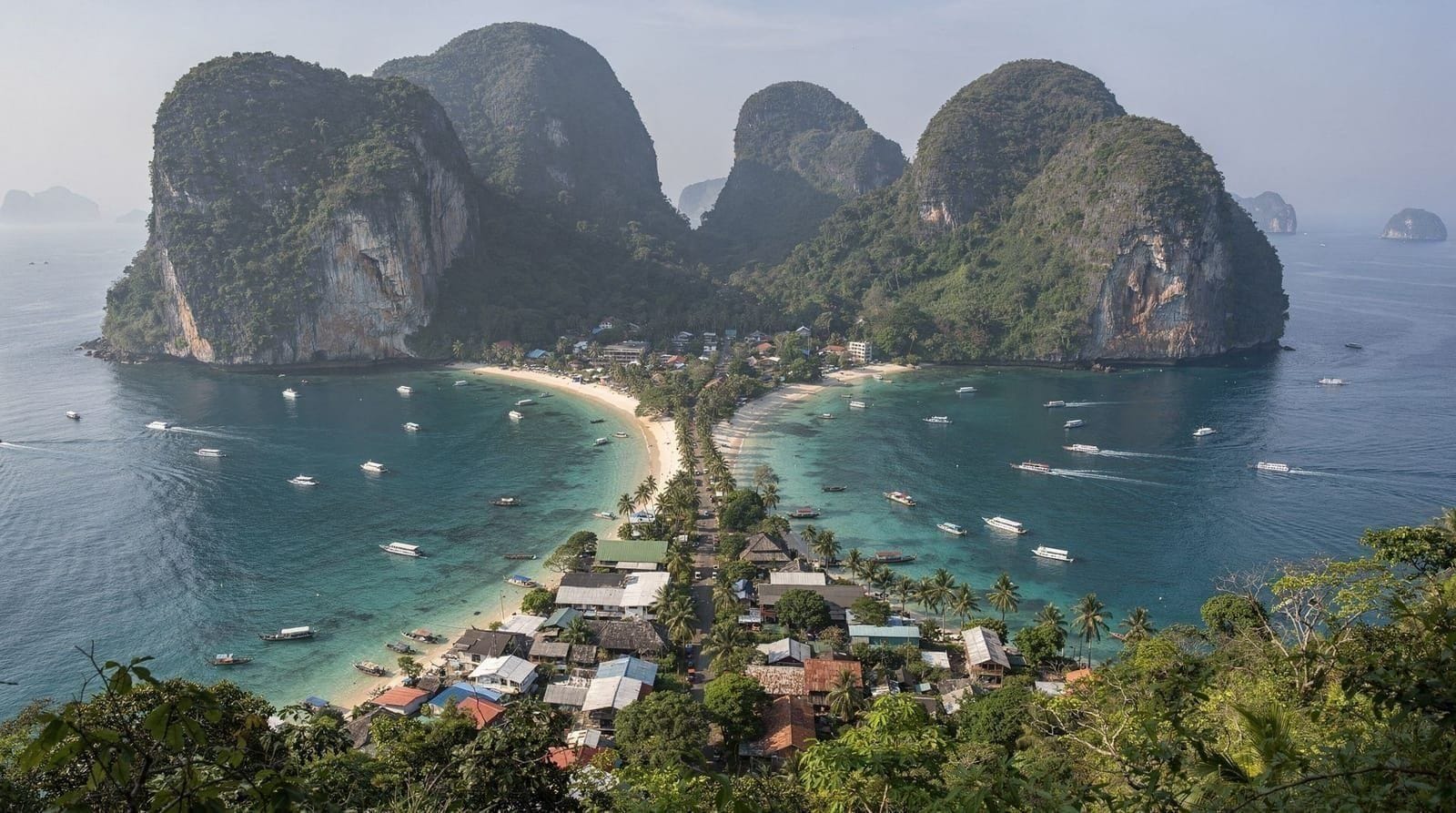
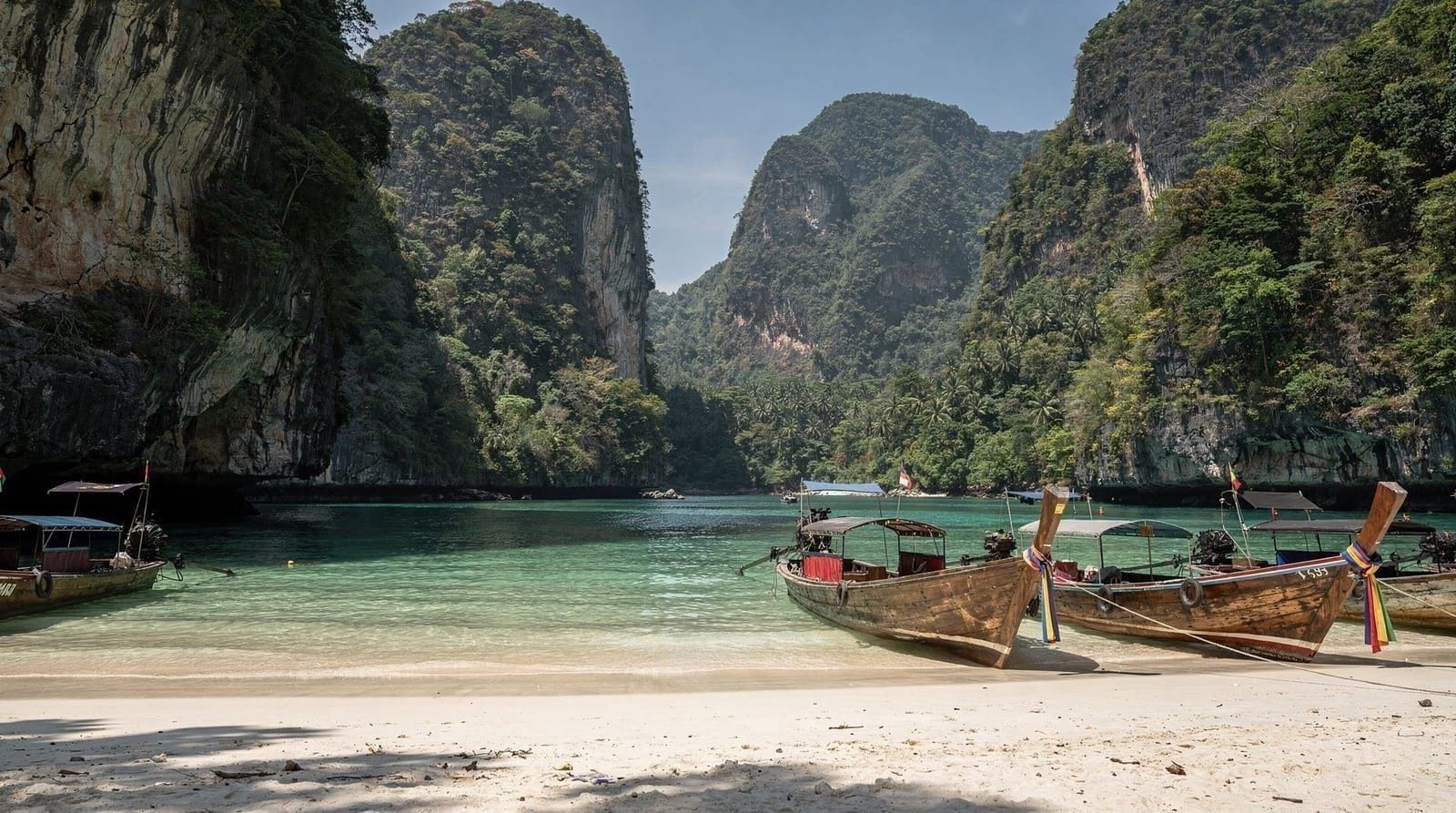
Phi Phi is about scenery — the towering limestone cliffs, emerald water, and the iconic Maya Bay combine to create one of Southeast Asia’s most photographed coastal environments. The snorkelling is a bonus, not the main event.
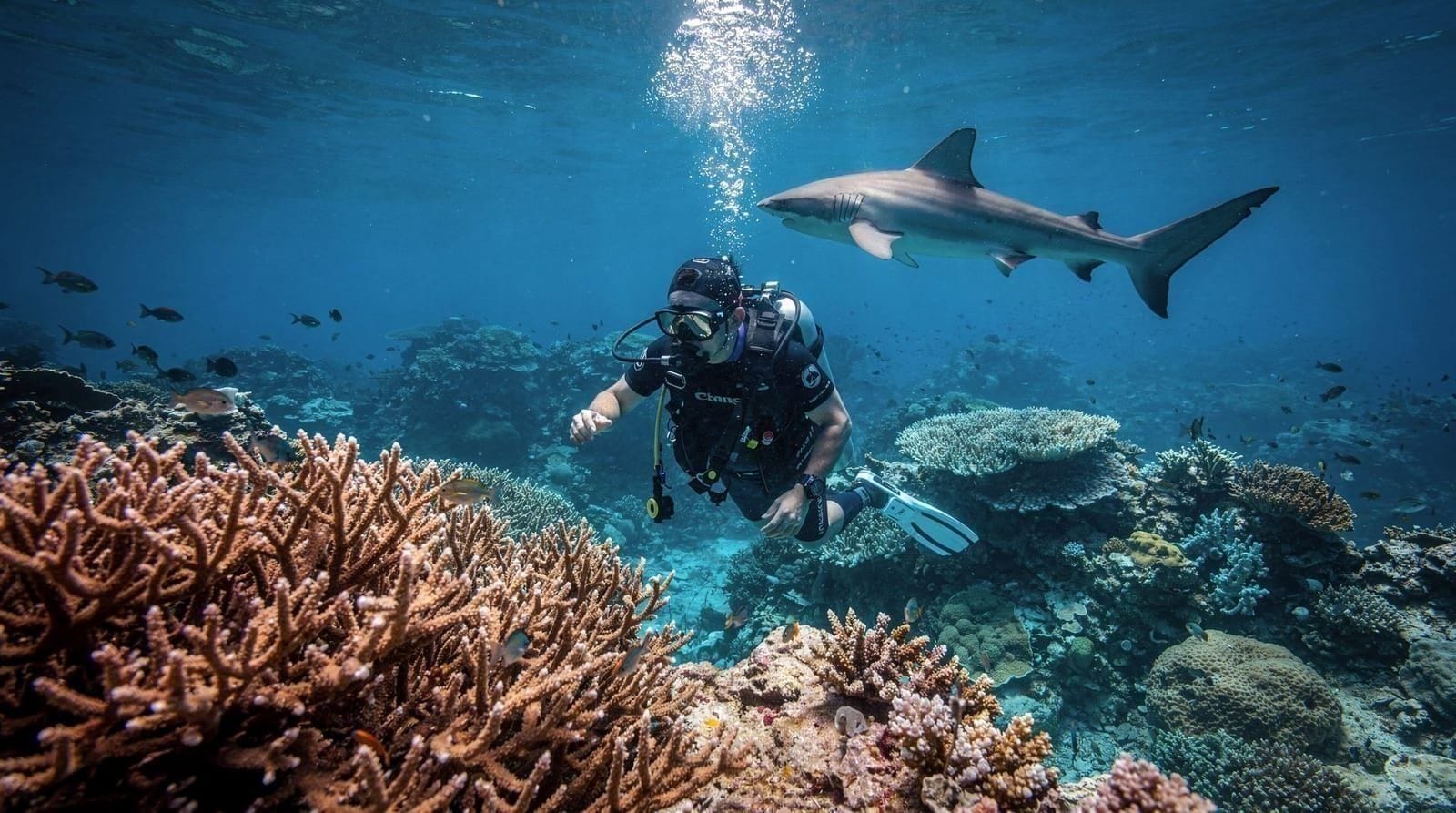
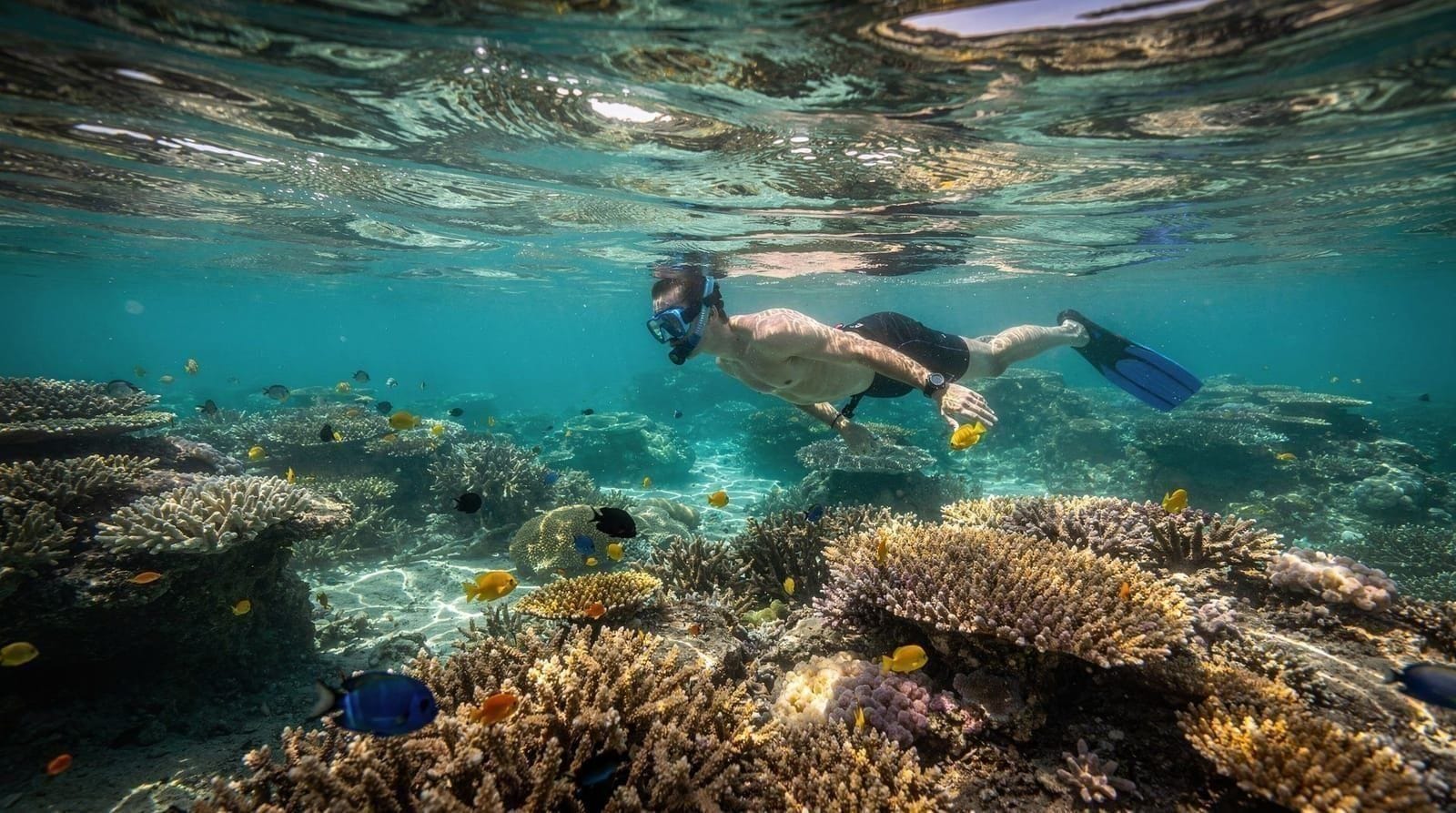
Similan Islands is about the water — coral gardens, sea turtles, reef sharks, and visibility that can reach 40 m on a good day. The above-water scenery is pleasant but secondary to what’s underwater.
The Phi Phi Islands: strengths and limits
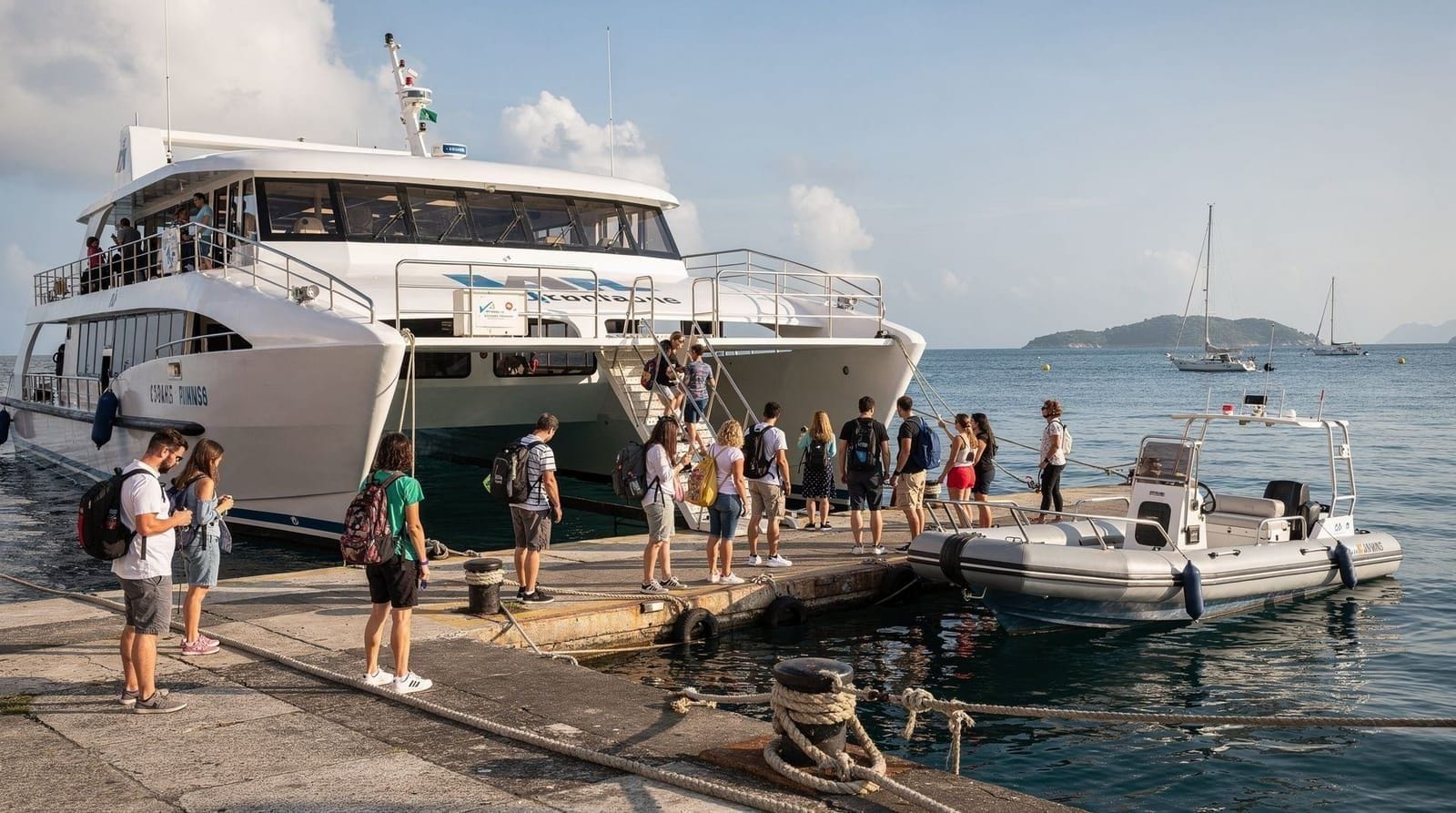
The Phi Phi Islands consist of six islands, with the inhabited Phi Phi Don and the uninhabited Phi Phi Leh (home to Maya Bay) seeing most visitors. The journey from Phuket takes 45–90 minutes by speedboat.
Strengths:
- Open year-round (sea conditions permitting)
- 45 km from Phuket — accessible without a huge time commitment
- Genuinely dramatic above-water scenery (the viewpoint panorama is world-class)
- Snorkelling at Bamboo Island and Loh Sama Bay is rewarding for beginners
- Day trips give a complete experience for non-divers
- Option to stay overnight on Phi Phi Don
Limits:
- Marine ecosystem damage from pre-2018 tourism is still recovering
- Snorkelling quality is good but not exceptional — reef patches rather than thriving coral systems
- Very crowded in peak season, particularly at Maya Bay
- The village at Ton Sai Bay is heavily commercialised
The Similan Islands: strengths and limits
The Similan Islands are a national park 70 km northwest of Phuket — nine islands in a protected marine environment that is, by any measure, one of the best snorkelling and diving destinations in Asia.
Strengths:
- World-class marine biodiversity — pristine coral, sea turtles, sharks, rays, huge fish schools
- Exceptional visibility (25–40 m on good days)
- Protected environment means significantly better ecological health than Phi Phi
- Donald Duck Bay on island 4 — giant boulders forming unusual formations, excellent photography
- Liveaboard access to deeper sites unreachable on day trips
Limits:
- Only open November–April (closed June–October)
- 70 km from Phuket — day trips are very long (1.5–2 hours each way)
- Better done from Khao Lak (45-minute crossing) than from Phuket
- Higher cost than Phi Phi (3,000–4,500 THB day trip vs 1,200–2,200 THB)
- Less visually dramatic above water
Side-by-side comparison
| Factor | Phi Phi | Similan |
|---|---|---|
| Travel time from Phuket | 45–90 min | 1.5–2 hours |
| Season | Year-round | Nov–Apr only |
| Above-water scenery | Exceptional (limestone cliffs) | Pleasant (low forested islands) |
| Snorkelling quality | Good | Exceptional |
| Diving quality | Good–very good | World-class |
| Crowds | High (peak season) | Moderate |
| Day trip feasibility | Easy | Possible but tiring |
| Cost (day trip) | 1,200–2,200 THB | 3,000–4,500 THB |
| Overnight option | Yes (Phi Phi Don hotels) | Camping/liveaboard |
Choosing based on your trip
Choose Phi Phi if:
- You’re travelling outside November–April (Similans are closed)
- You want the iconic Andaman scenery experience
- You’re a first-time snorkeller and want manageable conditions
- You’re travelling with non-divers who want a complete island day
- Budget is a consideration
Choose Similan if:
- You’re travelling November–April
- Diving or quality snorkelling is the primary motivation
- You’re willing to base from Khao Lak for the day to shorten the crossing
- You want to see genuinely pristine reef ecosystems
- You’re considering a liveaboard dive trip
Do both if:
- You have 7+ days and are visiting in the dry season
- You’re a diver who also wants the scenic Phi Phi experience
- A combined Andaman itinerary with Phi Phi on day 2 and Similan on day 5 is entirely feasible
The Khao Lak alternative for the Similans
This is a practical tip that significantly improves the Similan experience: instead of doing a day trip from Phuket (1.5–2 hour crossing), stay 1–2 nights in Khao Lak (90 minutes north of Phuket by minibus) and day-trip from there (45-minute crossing). The cost savings on the crossing length are real — 1 hour less each way — and you avoid the exhausting 12+ hour day that Phuket-based trips require.
Khao Lak has good accommodation, diving schools, and easy minibus connections back to Phuket. It adds minimal complexity and significantly improves the Similan day.
Booking the Khao Lak leg is straightforward: most tour operators offer a Phuket hotel pickup, transfer to Khao Lak, overnight stay, and the Similan day trip as a single package, which removes the logistics of arranging each piece separately. For a shorter trip where an overnight isn’t practical, a very early Phuket-Khao Lak transfer (departing your hotel around 5-5:30am) followed directly by the boat still shortens the crossing versus departing straight from Phuket, though it makes for a long day either way.
Diving comparison: Phi Phi vs Similan
If diving is the deciding factor, the comparison is clear:
Phi Phi dive sites: Shark Point (leopard sharks, frequent sightings), Anemone Reef, Phi Phi Don wall dives. Good for recreational diving, OW certifications, and day dives. Fish life is varied and present.
Similan dive sites: Christmas Point, Elephant Head Rock, Fantasea Reef, Beacon Beach. Diverse coral systems, large pelagics including manta rays and whale sharks (seasonal), sea turtles on almost every dive, 25–40 m visibility. Among the top 10 dive destinations in Asia.
Scuba diving: King Cruiser Wreck and Shark Point from PhuketLiveaboard vs day trip for the Similans
For divers with the time and budget, a liveaboard changes the Similan experience considerably compared to a day trip. Liveaboards run 2-4 night itineraries departing from Khao Lak or Phuket, accessing dive sites too far offshore for a day boat and typically including 3-4 dives per day rather than the 2-3 a day trip allows.
Prices run 8,000-25,000 THB depending on boat quality and trip length, and the experience includes much more time underwater, dawn and dusk dives, and sites like Richelieu Rock (technically outside the Similans proper but often combined) that day trips simply cannot reach. For divers who found a single day trip left them wanting more, a 2-night liveaboard is the natural next step rather than repeating day trips. Non-divers and snorkellers get comparatively little extra value from a liveaboard versus a well-chosen day trip, since the daytime surface conditions are similar either way.
Planning your Andaman itinerary around both islands
Fitting both Phi Phi and the Similans into the same trip is very achievable — but the sequencing and trip length matter. The Similan Islands are closed June through October, so this only applies if you’re visiting between November and April. Outside that window, the Similans are simply off the table and Phi Phi is your only headline island option.
For a 7-day trip in dry season, a practical allocation looks like this:
- Day 1: Arrive Phuket, settle in, explore the area around your base beach
- Day 2: Phi Phi Islands day trip — the 45–60 minute speedboat crossing is manageable after an easy first day
- Day 3: Beach day and Phuket Old Town exploration (or a Phang Nga Bay tour — a natural companion to island days)
- Day 4: Transfer to Khao Lak, check in to accommodation there (1.5–2 hours north of Phuket by minibus or Grab)
- Day 5: Similan Islands day trip from Khao Lak — depart 8 am, return by 5 pm
- Day 6: Return to Phuket or continue exploring the north (Khao Lak itself has beaches worth a day)
- Day 7: Final beach day and departure
This structure avoids the exhausting 12+ hour day that a Phuket-based Similan trip requires. Basing day 5 from Khao Lak means the crossing is 45 minutes instead of 1.5–2 hours — the difference between a good day and a punishing one.
If your trip is shorter — say 5 days — the realistic choice is one island or the other, not both. In that case, the decision matrix in the “Choosing based on your trip” section above applies directly. For a structured itinerary framework, the Phuket in 7 days itinerary covers exactly this scenario including the Khao Lak detour.
Timing within the dry season also matters. December and January offer the calmest seas and best visibility at the Similans. Late March and April are still good but visibility can drop slightly as the season turns. For Phi Phi, any month from November through April is excellent — the crowds peak in December and January around the European and Australian holiday periods.
A note on the Phi Phi Islands guide: if you’re planning an overnight stay on Phi Phi Don rather than a day trip, that changes the logistics significantly — Phi Phi becomes a 2-day stop rather than a day trip, and the total trip length needs to accommodate it. The overnight option makes the most sense for those who want to experience the islands early morning before the day-trip boats arrive, which is genuinely a different — and far more peaceful — version of Phi Phi.
What to bring and how to prepare
Both destinations have specific practical requirements that are worth knowing before you book rather than discovering at the pier.
Reef-safe sunscreen is required in national parks. Both Similan Islands and the marine national park waters around Phi Phi prohibit chemical sunscreens (oxybenzone, octinoxate) that damage coral. Reef-safe mineral sunscreen (zinc oxide or titanium dioxide base) is the correct choice. Bring your own from home or from Phuket — the pier shops carry reef-safe versions but charge a premium. Standard Thai sunscreens (often whitening products) do not meet reef-safe standards.
Dry bags are essential for electronics. Speedboats spray, sometimes heavily in choppy conditions. A waterproof dry bag or a heavy-duty zip-lock bag for your phone, camera, and valuables is not optional — it’s basic preparation. A 10-litre dry bag costs 150–300 THB at any dive shop in Patong or Kata, or bring one from home.
Seasickness medication. If you have any history of motion sickness, take medication (Dramamine or Bonine) 1 hour before departure — not at the pier when you’re already on the boat. The crossing to the Similans in particular involves open-sea conditions that can build during the day. Ginger chews are a lower-sedation alternative for mild susceptibility. Most Phuket pharmacies stock motion sickness tablets for 50–100 THB.
Food and water. Both Phi Phi and Similan day trips typically include lunch — confirm this when booking. Snacks are available on most Phi Phi tours. Water is generally provided but bringing an extra 500 ml bottle is sensible, particularly for the long Similan day. On overnight stays at Phi Phi Don, food options are plentiful in the Ton Sai village.
What to wear. A rash guard (long-sleeve UV-protection top) is more practical than a T-shirt for a full day on the water — it stays in place when snorkelling, provides UV protection without sunscreen, and dries quickly. Bring a layer for the boat ride back in late afternoon when the wind picks up.
For first-time visitors who are calibrating what to pack for the whole trip, the phuket travel guide for first-timers covers island day-trip logistics within a broader overview of practical Phuket preparation. For how the beaches on Phuket itself compare before you commit to a day trip, the best beaches in Phuket guide is the logical starting point.
Which suits families and non-divers
For families travelling with children or anyone not interested in snorkelling seriously, Phi Phi is the more practical choice regardless of season. The shorter crossing means less time on open water with restless kids, the day trip includes a proper island stop with shade, food and a village to walk around, and the overall pace is gentler. The Similan day trip is a long, water-focused day with limited land time — better suited to adults specifically prioritising the underwater experience. If a family group includes both divers and non-divers, Phi Phi’s mixed itinerary (swimming, snorkelling, island time) works for everyone simultaneously in a way that a Similan day, built around dive and snorkel stops with little else, does not.
Combining either trip with a PADI course
Divers who are already certified or planning to certify in Phuket should think about sequencing. Those doing PADI Open Water training at Racha Yai can treat a Similan or Phi Phi day trip as a natural next step once certified — both destinations are accessible to newly certified Open Water divers, though the Similans reward more experience given the occasional current at some sites. A common pattern for divers with a week or more in Phuket: certify early in the trip, then use a Similan day (dry season) or a Phi Phi dive day (year-round) later in the week to put the new certification to use somewhere genuinely worthwhile.
What the marine environment actually looks like
For visitors without a diving background, understanding what makes the Similan Islands’ reef exceptional — and how Phi Phi’s compares — helps calibrate expectations before booking.
At Phi Phi, the underwater environment is recovering. The reefs around Bamboo Island and at Loh Sama Bay have good fish life — parrotfish, triggerfish, moray eels, and occasional small blacktip reef sharks. The coral coverage is patchy: sections of healthy hard coral alongside bleached areas and rubble from storm damage and the pre-2018 tourism period. Visibility on a typical dry-season day runs 10–15 m — enough to see clearly but not exceptional. For first-time snorkellers, this is entirely satisfying. For experienced divers expecting the best the Andaman has to offer, it’s a solid but unremarkable dive.
At the Similan Islands, the difference is immediately apparent. The marine park’s closure period (June–October each year) and strong enforcement have maintained reef systems that most of the Andaman coast lost decades ago. Hard coral gardens cover large areas of the reef at depths of 3–15 m — accessible to snorkellers on the surface as well as divers.
Visibility regularly exceeds 25 m and can reach 40 m on exceptional days. The marine life density is striking: sea turtles on almost every dive, resident leopard sharks, large schools of barracuda and trevally, and manta rays during the late season (March–April). Donald Duck Bay on Similan Island 4 has granite boulder formations unlike anything at Phi Phi — massive rounded rocks stacked underwater and above the surface.
For non-divers comparing the two snorkelling experiences: both are rewarding, but the Similans are significantly better. The Phi Phi snorkelling is good; the Similan snorkelling is excellent. That gap justifies the higher cost and longer travel if marine life is the priority. For the logistics of the Phi Phi trip itself, the full Phi Phi Islands guide covers what to expect at each site. For how Phuket’s base beaches connect to both piers, the best beaches in Phuket guide covers which areas put you closest to each departure point.
Cost comparison in full
The price difference between Phi Phi and Similan day trips is significant enough to factor into planning, especially for longer trips where you might do both.
Phi Phi day trip from Phuket:
- Standard group speedboat (up to 30 people): 1,200–1,500 THB
- Premium small-group speedboat (6–10 people): 2,000–2,500 THB
- Private speedboat charter: 10,000–18,000 THB (for the boat, split by group)
- Entry fees included in most tours (Maya Bay 400 THB)
Similan Islands day trip from Phuket:
- Standard group speedboat (long crossing, 1.5–2 hrs): 3,000–3,500 THB
- Premium with smaller group: 4,000–4,500 THB
- National park fee (400–500 THB) usually included
Similan Islands day trip from Khao Lak:
- Standard group speedboat (45 min crossing): 2,500–3,000 THB
- Minibus transfer Phuket to Khao Lak: 250–350 THB per person if needed
The Khao Lak option for the Similans is meaningfully cheaper, partly because the crossing is shorter (less fuel, shorter day) and partly because Khao Lak operators are targeting day visitors rather than resort guests who expect premium pricing. For a group of two, the Khao Lak route saves roughly 1,000–2,000 THB per person compared to departing from Phuket, while also being a far better experience.
If you’re doing both islands in a single trip, budget approximately 4,500–6,000 THB per person for both day trips combined — Phi Phi from Phuket and Similan from Khao Lak. That’s on top of accommodation, food, and transfers. The phuket-in-7-days itinerary includes a worked example of how to fit both trips into a week without sacrificing beach time.
Frequently asked questions about Phi Phi vs Similan Islands — which should you visit from Phuket?
Are the Similan Islands better than Phi Phi?
Can you visit both Phi Phi and the Similan Islands on the same trip?
When are the Similan Islands open?
Which is better for snorkelling as a beginner?
Is the Similan Island day trip worth doing from Phuket?
Is it possible to stay overnight at the Similan Islands?
Which has better marine life — Phi Phi or Similan?
Which is more expensive?
Top experiences
Bookable activities with verified prices and instant confirmation on GetYourGuide.