Phuket in 3 days — the essential weekend itinerary
Phuket: Phi Phi, Maya Bay & Khai Island day tour by speedboat
Can you see the best of Phuket in 3 days? Yes — with smart routing you can cover Phuket Old Town, Phi Phi Islands, and Phang Nga Bay without the chaos. Three nights, three distinct experiences: culture, islands, and limestone karsts. Budget roughly 5,000–8,000 THB per person per day (~$153–$245 USD) for mid-range.
| Best for | First-time visitors, short breaks, weekend trips |
| Pace | Fast — one headline experience per day |
| Cost | Around 11,400–18,600 THB/person total (mid-range) |
| Getting around | Grab only, no scooter needed |
| Book ahead | Phi Phi speedboat and James Bond Island tour, 2–3 days minimum |
What to expect from 3 days in Phuket
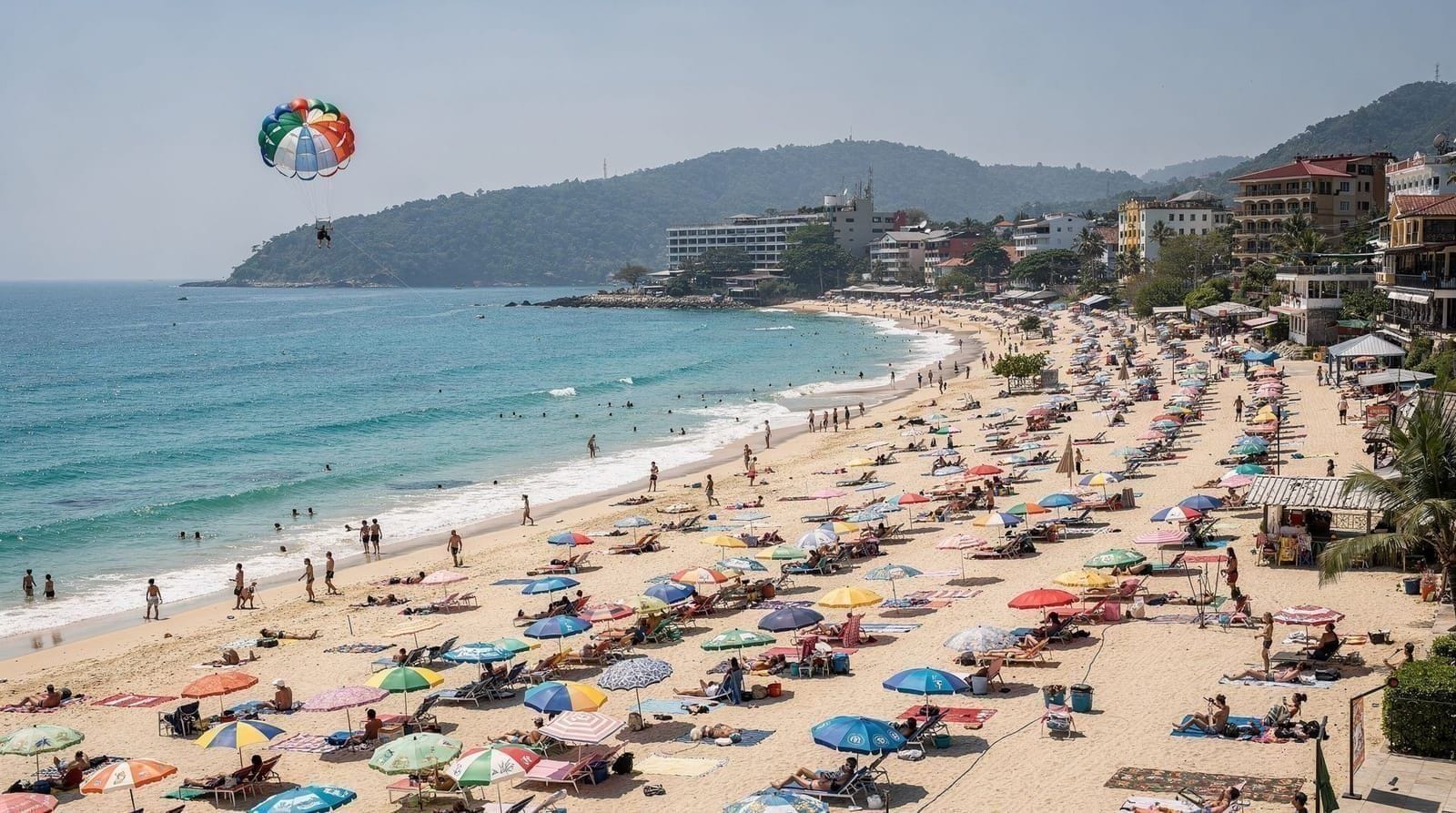
Three days is a tight window, but it works if you prioritize ruthlessly. The mistake most first-timers make is spending too much time on Patong Beach — Phuket’s most overpriced, overcrowded strip. This itinerary skips the Bangla Road circus and instead gives you the cultural heart of Phuket Town, a full day on the Phi Phi Islands, and a morning on Phang Nga Bay before your flight.
When to visit: November through March is the sweet spot — calm seas, clear skies, and reliable ferry schedules. During monsoon season (June–October), Phi Phi speedboats still run most days but expect rougher water and occasional cancellations. Phang Nga Bay day trips run year-round.
Base: Stay somewhere central. Phuket Old Town gives you walkability and authenticity. Kata Beach is a good alternative if you want sand at your doorstep. Avoid Patong unless nightlife is your priority.
Getting around: You won’t need to rent a scooter for this itinerary — Grab (Thailand’s Uber equivalent) handles most transfers cleanly. Keep the app charged and loaded with credit. For a fuller overview of your options, see our getting around Phuket guide.
Getting to Phuket
Phuket International Airport (HKT) is in the north of the island, roughly 45 km from most tourist areas. How you get to your hotel from the airport sets the tone for the whole trip — get this right and you avoid the most common arrival mistake.
Grab (recommended): Open the Grab app before you exit arrivals, connect to airport Wi-Fi if needed, and request a car. Fares are metered and transparent: Kata or Karon Beach runs 500–700 THB ($15–$21), Phuket Old Town around 350–450 THB ($11–$14), Patong 450–600 THB (~$14–$18). Journey time is 45–70 minutes depending on traffic. Grab drivers meet you outside the arrivals hall at a designated pickup area — follow the signage or ask airport staff.
Metered taxis: The official metered taxi rank is on the ground floor of arrivals. Fares are similar to Grab but you lose price transparency unless you confirm the meter is running before departure. Always insist on the meter — flat-rate offers from touts in the arrivals hall run 800–1,500 THB for the same journey.
Airport Bus (Smart Bus / BETA): Phuket’s public airport bus runs to Patong, Karon, and Kata via Phuket Town for around 100 THB ($3.10) per person. It leaves from outside arrivals every 30–60 minutes and takes 90–120 minutes with stops. Practical for solo budget travelers, impractical with luggage or if you’re short on time.
Minivan transfers: Many hotels offer pre-booked airport transfers at fixed rates, typically 600–900 THB depending on distance. Worth considering if you’re arriving late at night when Grab surge pricing kicks in, or if you have a large group.
Practical tip: Exchange a small amount of cash (1,000–2,000 THB) at the airport for the first day — ATM fees at tourist-area machines are higher (220 THB per transaction). The airport exchange booths are not great rates, but they’re fine for day-one pocket money. For full currency strategy, see our Phuket money guide.
Day 1 — Phuket Old Town and southern temples
Morning: Phuket Old Town on foot
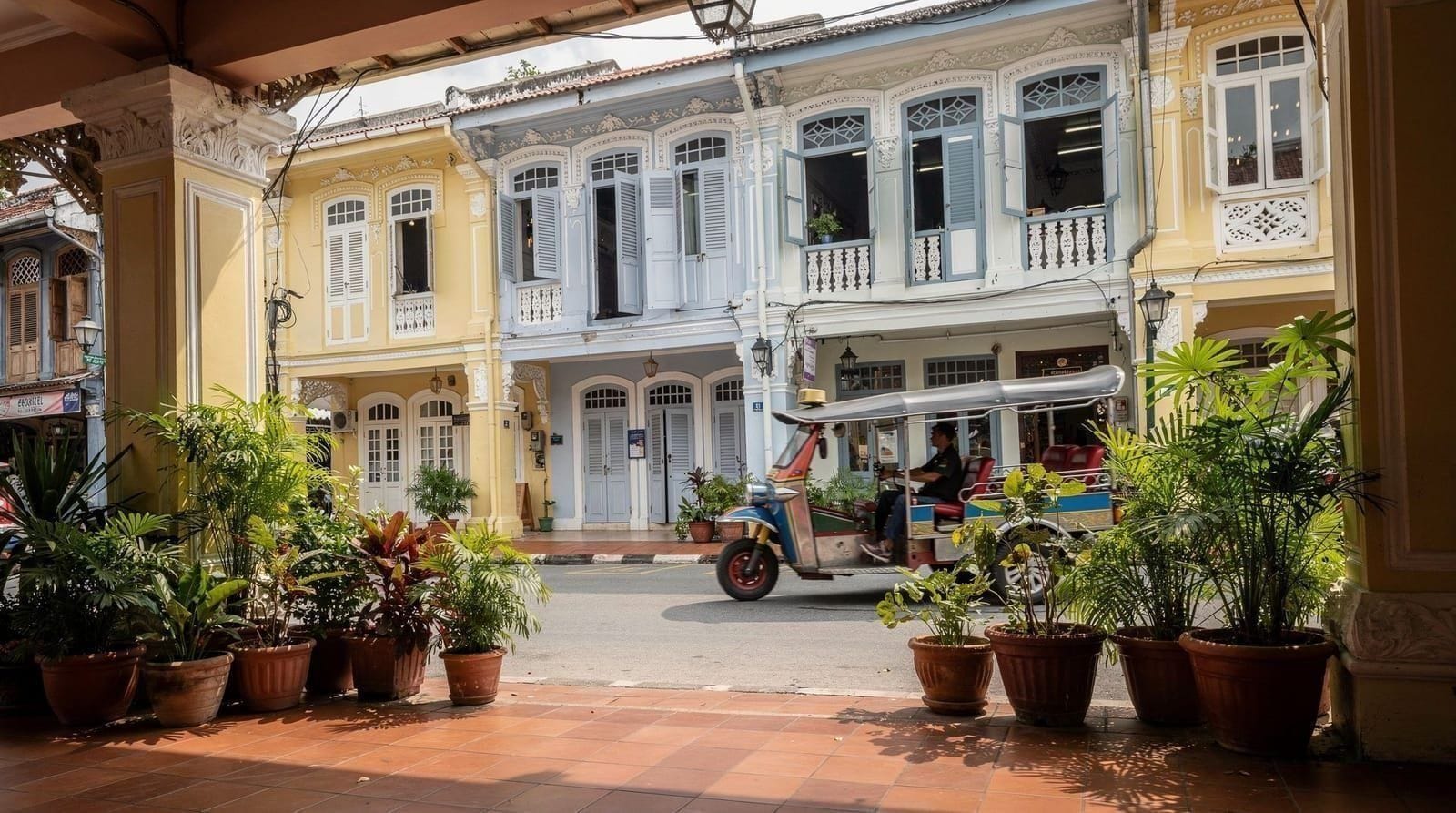
Start early at Phuket Old Town before the heat builds. The Sino-Portuguese shophouses along Thalang Road and Dibuk Road are at their photogenic best before 9am, when tour buses haven’t yet arrived. Grab breakfast at one of the kopitiam-style cafes — Raya House Restaurant or Tu Kab Khao serve proper local morning rice dishes (khao tom, joke porridge, mee sua noodles) for around 80–120 THB ($2.45–$3.70).
If you’re at Raya House, order the kua kling — a dry southern Thai curry, genuinely spicy, served with rice and a fried egg. At Tu Kab Khao, the mee sua (thin yellow noodles in broth with pork) is the local breakfast staple. Either meal runs under 100 THB.
The Old Town is compact: the core streets — Thalang, Dibuk, Phang Nga, Yaowarat — form a rough rectangle you can walk in 90 minutes. Key stops include Wat Mongkol Nimit (Chinese-Thai temple, free entry, dress modestly), the Phuket Thaihua Museum on Krabi Road (entrance 200 THB/$6.15, covers the Peranakan tin-mining history that built Old Town), and the Blue Elephant cooking school building on Krabi Road even if you’re not booking a class.
The Sunday Walking Street along Thalang Road is worth planning around if your Day 1 falls on a Sunday — food stalls, local handicrafts, and live music from 4pm to 10pm. Weekday evenings, the Ranong Road Night Market (near the bus terminal, open from around 5pm) is smaller but more local.
For a proper food tour with a local guide who knows which stalls are worth the queue, book in advance:

Practical note: Temple etiquette applies everywhere — cover shoulders and knees. Singlet tops get you turned away at most temple entrances. Scarves are sold at stalls near major temples if you forget.
Afternoon: Chalong and Big Buddha
After Old Town, take a Grab south to Chalong (~80 THB/$2.45, 20 minutes). Wat Chalong is Phuket’s most important Buddhist temple — ornate, with the Relic Tower housing a bone fragment of the Lord Buddha, and murals in the main hall depicting scenes from his life. Free entry. Budget 45 minutes and go barefoot inside the main buildings.
From Chalong, it’s a short uphill ride to the Big Buddha viewpoint on Nakkerd Hill — Grab fare is around 60 THB/$1.85 each way from the temple. The 45-metre white Burmese marble statue (officially Phra Phutta Ming Mongkol Eknakiri) dominates Phuket’s skyline and the hilltop views cover three bays simultaneously: Kata, Karon, and Chalong. On a clear day you can see as far as Phi Phi. No entrance fee but donations are expected and appreciated — there are merit-making boxes near the main shrine.
Allow 30–40 minutes at the Big Buddha. The complex includes a smaller shrine at the base and vendors selling merit-release birds (we recommend skipping this — it’s an exploitative practice). The best photos are from the viewing platform on the west side, facing the sea.
Return to your hotel by late afternoon to freshen up before dinner. For a full background on both sites, see our Big Buddha guide and Wat Chalong guide.
Evening: Dinner and winding down
If you’re staying in Old Town, dinner options are genuinely good without venturing far. Kopitiam by Wilai on Thalang Road does excellent southern Thai dishes — the massaman beef (180 THB/$5.50) and stir-fried morning glory with oyster sauce (80 THB/$2.45) are reliable. Arrive by 6:30pm; it fills up fast and doesn’t take reservations.
For something more relaxed, the street food cluster around the junction of Phang Nga Road and Yaowarat Road has rotating vendors from around 5pm — satay, grilled corn, mango sticky rice (60–80 THB each). This is where locals eat, not the polished restaurant strip.
If you want evening entertainment, Patong is 30 minutes northwest by Grab (~200 THB/$6.15). The Simon Cabaret is Phuket’s most polished ladyboy revue — three shows nightly, tickets from 800 THB ($24.50), worth booking ahead. Otherwise, Old Town’s cluster of bars on Soi Rommanee is quieter, more characterful, and significantly cheaper.
Day 2 — Phi Phi Islands full day
The logistics
Phi Phi Islands are non-negotiable for a first visit. The islands are 45 km southeast of Phuket; speedboats depart from Rassada Pier (eastern Phuket) around 8:30–9:00am and take 1–1.5 hours. Most organized day trips include hotel pickup, which matters if you’re not near Rassada.
Get to bed early on Day 1 night. You’ll want to be ready for hotel pickup by 7:30–8:00am, and tiredness on a speedboat in open water is unpleasant. The sea can be choppy even in dry season — take seasickness tablets the night before if you’re prone.
The standard day trip covers Phi Phi Don (the main island with the tourist village and viewpoint), Maya Bay (Leo DiCaprio’s The Beach filming location, now with entry controls to protect the reef), Monkey Beach (bring sunscreen — the monkeys will steal anything that isn’t), and usually Koh Bamboo Island for snorkeling over shallow coral. You’re back at the pier by 5:30–6pm.
Book the speedboat day trip rather than the slower car ferry — you lose 2 hours each way on the big boat, which eats into island time significantly:

What to know about Maya Bay
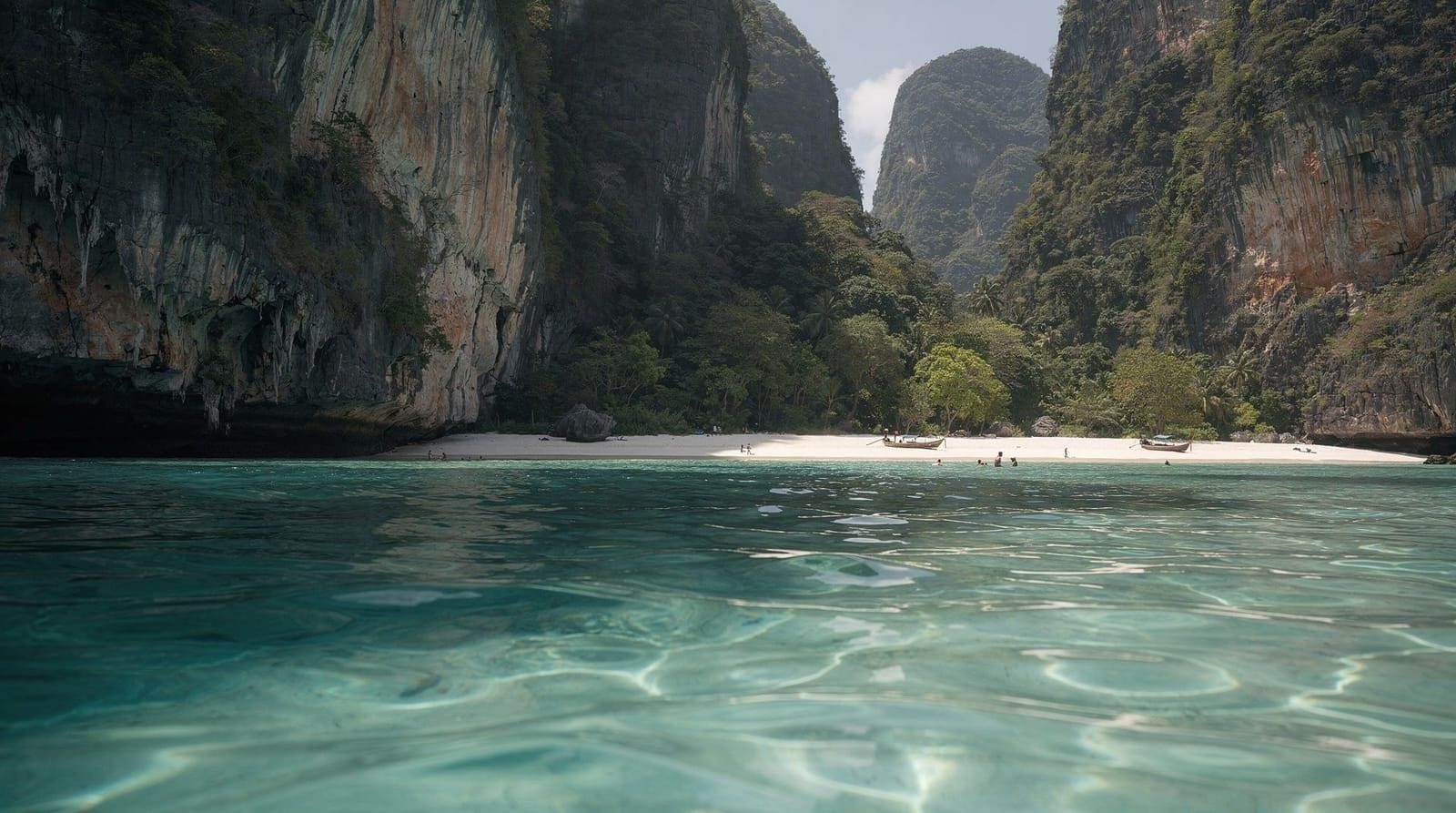
Maya Bay has strict access controls since its 2022 reopening after coral restoration. Tour boats anchor offshore; you’re ferried in by longtail in small groups. Swimming is prohibited inside the bay itself (enforcement varies, but the corals are genuinely recovering — respect it). The sheer limestone cliffs rising from turquoise water are still spectacular from the water even without swimming. Read the full background in our Maya Bay guide.
Snorkeling: The best snorkeling of the day trip is usually at Koh Bamboo or near Koh Phi Phi Don’s eastern shore, not at Maya Bay itself. Bring your own snorkel mask if you’re particular about fit — rental equipment on boats is shared and often low quality.
Lunch: Day trips include lunch on Phi Phi Don, typically a Thai buffet at a beachside restaurant. It’s adequate rather than memorable. If you have time to break away from the group, the fresh grilled fish near the Tonsai Pier area is better — budget 200–300 THB for a full grilled fish with rice and a drink.
Monsoon caveat: Similan Islands close June–October. Phi Phi stays open but check sea conditions — operators will cancel in bad weather and issue refunds. If you’re visiting June–October and Phi Phi trips are disrupted, a Phang Nga Bay tour is the natural alternative (calmer protected water, spectacular year-round).
Evening: Dinner after the islands
You return to Phuket around 5:30–6pm, sunburned and hungry. If you’re based near Kata Beach, Mama Noi’s restaurant on Kata Road serves reliable pad thai, green curry, and tom kha gai (150–200 THB/$4.60–$6.15) without the tourist markup. The outdoor seating under the trees is the better choice over the air-conditioned interior.
A note on restaurant pricing: avoid any restaurant where illuminated photo menus are propped outside facing the street — they’re typically 30–40% more expensive than identical food 200 metres away on side streets. The rule of thumb is: plastic chairs and a handwritten specials board usually means better value and fresher cooking.
If you have energy left, a 1-hour Thai massage is the ideal end to a sun-and-sea day. Budget 300–400 THB at a reputable shophouse spa; avoid the cheapest sidewalk options where standards are inconsistent.
Day 3 — Phang Nga Bay morning, afternoon departure
Morning: Phang Nga by longtail
If you have an afternoon or evening flight, Phang Nga Bay makes a perfect half-day finale. The bay is 90 minutes north of Phuket by road, but most organized tours include transfers from your hotel — you’re typically picked up around 8am.
The longtail boat tour (small group, 6–8 people) gives a more intimate experience than the large ferry tours that carry 40–50 passengers — you get into narrow sea caves and mangrove channels the big boats can’t reach. The caves (tham lod) are a highlight that the standard big-boat tours skip entirely.
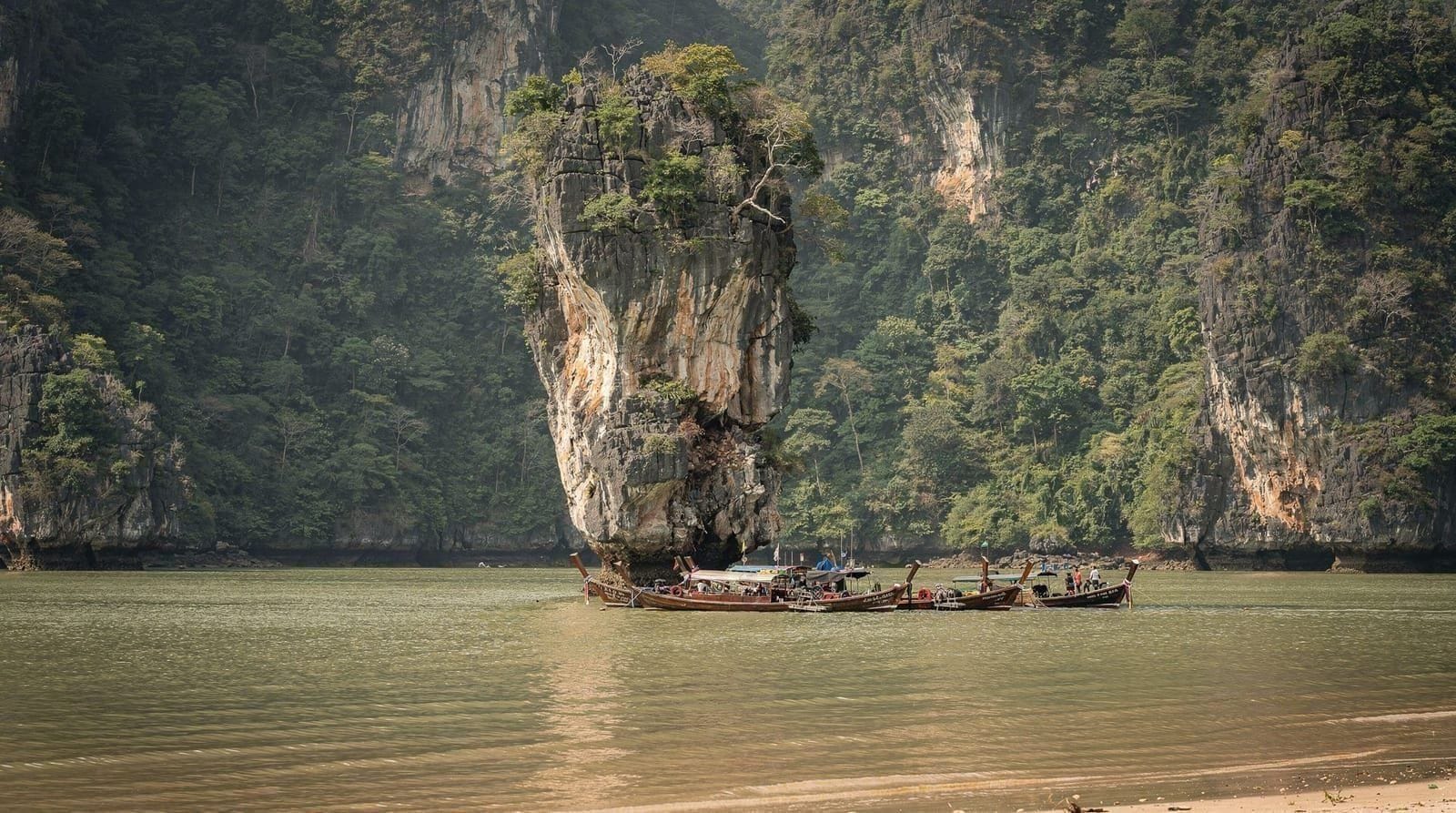
James Bond Island (Khao Phing Kan, where The Man with the Golden Gun was filmed in 1974) is the signature stop — the tall limestone pillar rising from the water (Khao Tapu) is immediately recognizable. It’s genuinely dramatic in person. The surrounding bay is dotted with dozens of limestone karsts, each with their own cave systems and hidden lagoons. Read more in our James Bond Island day trip guide and Phang Nga Bay sea canoe guide.
Koh Panyi is the other essential stop — a floating Muslim fishing village built entirely on stilts over the water, home to around 1,700 people. The village has a mosque, a school, a football pitch (famously on floating pontoons), and a cluster of seafood restaurants. Order the steamed fish with lime and garlic (250–350 THB/$7.65–$10.70) — it’s caught locally and the quality is notably higher than on the mainland.

Tip: The longtail-based small group tours operate with more flexibility than the big-boat tours and can adjust timing based on weather and tides. During monsoon season, the bay is sheltered from the open sea by the surrounding hills, making Phang Nga genuinely viable year-round while the Andaman coast is rough.
Afternoon: Departure or beach time
Tours return to Phuket around 1:30–2pm, leaving time for a final lunch before heading to the airport. If you’re departing from HKT, budget the following transfer times:
- From Phuket Old Town to airport: 30–40 minutes by Grab (350–450 THB/$10.70–$13.80)
- From Kata/Karon Beach to airport: 50–65 minutes by Grab (500–650 THB/$15.30–$19.90)
- From Patong to airport: 45–60 minutes by Grab (450–600 THB/$13.80–$18.40)
Traffic on Route 402 (the main north-south highway) can stack significantly between 3–6pm, especially on weekends. For flights departing after 5pm, add 20 minutes to the estimates above. Always allow at least 2.5 hours before departure for international flights, 2 hours for domestic.
If you have a free afternoon before departure, Karon Beach is a quieter alternative to Patong — long, firm sand, calm water in dry season, and a fraction of the crowds. The northern end near the Karon viewpoint has shade trees and is less commercial than the main beach strip.
What to book in advance
Some things in Phuket are genuinely fine to sort on the day. Others sell out or require lead time, especially from December through February. Here is what needs advance booking and how far ahead:
Phi Phi Islands speedboat day trip (2–3 days minimum, 5–7 days in peak season): The well-run small-group operators fill up fast. If you wait until Day 1 evening, you’ll find spots — but with the less reputable operators who cut corners on safety briefings and equipment. Book before you fly.
James Bond Island longtail small group tour (2–3 days minimum): Same logic applies. Small-group longtail tours max out at 6–8 passengers; the good operators are often fully booked a week ahead in December–January.
Old Town street food walking tour (1–2 days minimum): These run with small groups of 8–12 and the evening departure times fill up. Afternoon sessions have more availability.
Simon Cabaret (1–2 days minimum): The 7:30pm and 9:30pm shows sell out in peak season. Book online directly — the same tickets are often marked up by hotel concierge desks.
Hotel: Book at least 2 weeks ahead for travel December–February, especially if you want anything in the 1,500–3,000 THB range with good reviews. Budget options in Old Town disappear fastest. See our where to stay in Phuket guide for neighborhood-by-neighborhood recommendations.
Budget breakdown (per person, mid-range)
| Item | THB | USD |
|---|---|---|
| Mid-range hotel (3 nights) | 5,400–9,000 | $165–$276 |
| Phi Phi day trip | 1,800–2,500 | $55–$77 |
| James Bond Island tour | 1,200–1,500 | $37–$46 |
| Food (3 days) | 2,400–4,500 | $74–$138 |
| Grab transfers | 600–900 | $18–$28 |
| Big Buddha/temples | 0–200 | $0–$6 |
| Total | ~11,400–18,600 | ~$350–$571 |
For a detailed breakdown with budget and splurge options, see our Phuket travel budget guide.
Practical notes
Visa: EU, UK, US, Canadian, Australian, and NZ passport holders get 30 days visa-free. Complete your Thailand Digital Arrival Card (TDAC) within 72 hours before arrival — this is mandatory and done online. See our Phuket visa guide for full 2026 details.
Money: ATMs dispense THB; most charge a 220 THB (~$6.75) withdrawal fee per transaction. Exchange at a SuperRich booth in Bangkok airport if you’re transiting — rates are 4–6% better than airport ATMs or hotel desks. Read more in our Phuket money guide.
Scooter rental: We specifically excluded scooters from this itinerary. Rental shops routinely document pre-existing damage only after you return the bike, then demand 2,000–10,000 THB in “repairs.” If you insist on renting, photograph every scratch before you leave the shop — front, back, both sides — and confirm the deposit arrangement in writing. See our scooter rental safety guide.
Water: Tap water is not safe to drink. Bottled water costs 15–30 THB ($0.45–$0.90) at 7-Eleven (there’s one every 200 metres in tourist areas). Carry a reusable bottle and refill from cooled water at your hotel.
If you land late on Day 1
Not every flight lands early enough for a full Old Town morning. If you touch down after noon, flip the order: check into your hotel, then head straight for the Big Buddha and Wat Chalong for the late afternoon — the light is softer for photos after 3pm and both sites are open until 6-7pm.
Save Old Town’s morning market energy for Day 3’s departure morning instead, since a compressed evening visit to Thalang Road still works for dinner and the night market atmosphere, just without the empty-streets photography window. Whichever order you choose, don’t let a late arrival push Phi Phi to Day 3 — the ferry back leaves you no buffer before a departure flight, and rescheduling a already-booked Phi Phi slot at short notice is the single most common way this itinerary goes wrong.
Where to eat near each stop
Beyond the specific restaurants named in the day-by-day plan, a few reliable patterns hold across all three days. Anywhere near Phuket Old Town, look one block off the main tourist streets (Thalang, Soi Romanee) — the same dishes cost 20-30% less and are usually fresher, since turnover is higher at neighborhood spots than at photo-menu restaurants aimed at passing tour groups. On Phi Phi, stick to the included lunch unless you specifically want to explore Tonsai village on your own between boat activities; food on the island carries a real premium due to everything arriving by boat.
Around Phang Nga Bay, Koh Panyi’s floating village restaurants are the only real option and are worth it for the fresh-caught seafood despite being tourist-oriented — order anything with the word “steamed” for the best value. For a fuller picture of Phuket’s food scene beyond these three days, our Phuket food guide and street food breakdown cover the neighborhoods this itinerary doesn’t have time for.
What you’ll miss with only 3 days (and whether that’s okay)
Three days is enough for the headline sights, but it does mean cuts. You won’t reach the Similan Islands — the boat transfer alone takes 3+ hours each way, so it needs at least an overnight or a dedicated 5-day trip like our 5-day Phuket itinerary. You also skip the west-coast beach crawl (Kata, Karon, Kamala, Bang Tao each have a different character) and any inland detour to Khao Sok National Park.
For most first-timers this trade-off is fine: Old Town, Phi Phi, and Phang Nga Bay are genuinely the three most distinctive things Phuket offers, and cramming in a fourth would mean rushing all of them. If diving is your priority rather than sightseeing, this itinerary isn’t the right template — see our diving-focused 7-day itinerary instead.
Rainy day and monsoon-season adjustments
If a downpour hits during Old Town time on Day 1, it barely matters — the shophouse arcades along Thalang and Dibuk Road provide natural cover, and the Phuket Thaihua Museum is an easy indoor fallback for 45 minutes. Day 2 and Day 3 are more weather-sensitive since they depend on boat departures. Speedboat operators to Phi Phi and Phang Nga Bay both run through the June–October monsoon, but expect a bumpier ride and the occasional cancellation on the roughest days — operators reschedule or refund rather than sail into unsafe swell.
Phang Nga Bay is more sheltered than the open Andaman Sea crossing to Phi Phi, so if only one of your two boat days is going to be disrupted, it’s more likely to be Phi Phi. Build a half-day buffer into your schedule if you’re traveling June–October, and check the operator’s forecast the evening before rather than assuming the itinerary above will run exactly as written.
Extending or trimming this route
If a fourth night opens up, the easiest addition is a half-day at Coral Island — a 30-minute longtail from Rawai, good snorkeling, and low logistical overhead compared with the full-day Phi Phi trip:
Coral Island half-day speedboat snorkeling tripGoing the other direction, if you only have two full days, drop Phang Nga Bay first — Old Town and Phi Phi are the two experiences most visitors rate highest, and Phang Nga Bay is the easiest to save for a return trip since it runs reliably year-round.
If you’re arriving from or continuing to Krabi, note that the two provinces sit close enough to combine without much extra travel time — see our Phuket–Krabi combo itinerary if a week is realistic. For a shorter add-on than a full extra region, a single extra night in Phuket to fit in a west-coast beach afternoon at Karon Beach or Kata Beach is the lowest-effort way to soften the pace of this itinerary without restructuring the whole plan.
Frequently asked questions about 3 days in Phuket
Is 3 days enough for Phuket?
Three days covers the highlights — Phuket Old Town, Phi Phi Islands, and Phang Nga Bay — at a comfortable pace. You won’t have time for Similan Islands (better as a liveaboard) or extended beach hopping, but you’ll leave with a solid grasp of what Phuket offers. If you can extend to 5 days, see our 5-day Phuket itinerary.
What’s the best area to stay for 3 days?
Phuket Old Town is the most interesting base — walkable, genuine food scene, central position. Kata Beach works well if you want beach access. Avoid Patong unless nightlife is your priority; the beach is mediocre and prices are 20–30% higher than equivalent accommodation elsewhere on the island.
Should I rent a scooter in Phuket?
Not necessary for this 3-day itinerary. Grab covers most transfers reliably and at predictable cost. Renting carries real financial risk from rental scams and carries significant accident risk on roads that mix cars, songthaews, and tourist riders of varying competence.
Can I visit Phi Phi in 3 days?
Yes, Day 2 of this itinerary is dedicated to Phi Phi. A full day trip is the standard approach for visitors based in Phuket. For a slower experience, you can stay overnight on Phi Phi Don, but that requires restructuring the whole itinerary around the ferry or speedboat schedule. Our Phi Phi Islands guide covers the overnight option in detail.
What’s the weather like in Phuket?
Dry season (November–March) brings calm seas, clear skies, and temperatures around 26–32 degrees C. April–May is hot and humid. June–October is monsoon — heavy showers (often brief), rougher seas, and significantly cheaper hotel prices. See our best time to visit Phuket guide for month-by-month detail.
Do I need to book tours in advance?
Yes for peak season (December–February). Phi Phi day trips and James Bond Island tours sell out by 8am in high season. Book 2–3 days ahead minimum. In low season you can usually book same-day, but you lose the ability to choose the best operators. See the “What to book in advance” section above for specifics.
Is Phuket safe for solo travelers?
Generally yes. Violent crime targeting tourists is rare. The main risks are petty theft on crowded beaches and scooter rental fraud. Keep valuables in your hotel safe and use Grab instead of unmarked taxis. Read more in our scams to avoid guide.
How do I get between the islands and mainland Phuket?
All island day trips in this itinerary use speedboats that depart from and return to Rassada Pier on Phuket’s east coast — transfers from your hotel are included in organized tours. If you’re planning independent ferry travel at any point, our Phuket ferries guide and ferry vs speedboat comparison have current schedules and fares.
Can I combine this itinerary with Krabi?
Yes, and it works well. Phuket and Krabi are 2–3 hours apart by road or 1.5 hours by speedboat ferry. If you have 5–7 days total, fly into Phuket, do 3 days here, then travel to Krabi for 2–3 days at Railay Beach or Ao Nang. See our Phuket–Krabi combo itinerary for a detailed plan, and our Phuket to Krabi transport guide for the crossing options.
What should I pack for 3 days in Phuket?
Light is better — humidity is high year-round and you’ll be on boats and walking in heat. Essentials: reef-safe sunscreen (regular sunscreen is banned at many snorkel sites), a light long-sleeve layer for temple visits, a dry bag or waterproof case for the phone on Day 2, and sandals that can get wet. Our Phuket packing list guide has the full breakdown.
Top experiences
Bookable activities with verified prices and instant confirmation on GetYourGuide.